39 bài mẫu IELTS Speaking Part 1 của tác giả chứ danh, Simon là lựa chọn không thể tuyệt vời hơn cho những bạn nào đang trong quá trình luyện thi IELTS Speaking. Cùng THE IELTS FOCUS tìm hiểu chi tiết về tài liệu này trong bài viết dưới đây nhé.
Có lẽ với những bạn trong cộng đồng IELTS Learner không còn mấy xa lạ với thấy Simon (ielts-simon.com). Cùng phương pháp luyện thi đơn giản nhưng hiệu quả đem lại cực cao của thầy rồi đúng không nào?
Hiện thầy Simon đã xuất bản rất nhiều tài liệu, mang đến những định hướng hữu ích giúp người học dễ dàng chinh phục kỳ thi IELTS.
Ideas for IELTS Topics
IELTS Writing Task 1
IELTS Writing Task 2
Trong số đó, phải kể đến các bài mẫu cực chi tiết theo các chủ đề thường xuất hiện trongbài thi IELTS Speaking Part 1, sẽ là công cụ hỗ trợ đắc lực cho người học trong quá trình luyện thi Nói đầy gian nan này.
Note:Tuy nhiên các bạn cần lưu ý những bài mẫu này chỉ mang tính chất tham khảo. Bạn không nên học thuộc lòng hoặc học tủ, bởi nó sẽ làm bài nói của bạn mất tự nhiên và đôi khi không được trôi chảy, mạch lạc.Bên cạnh đó, giám khảo sẽ không đánh giá cao bài nói của bạn nếu phát hiện ra bạn học vẹt và sẽ bất ngờ đổi câu hỏi, khiến bạn mất điểm.
Tổng hợp bài mẫu IELTS Speaking Part 1 Simon
Tên tài liệu: Tổng hợp bài mẫu IELTS Speaking Part 1 Tác giả: Simon Định dạng: Trang A4 – PDF Link tải: Cuối bài viết Nội dung: Mang đến 39 bài mẫu theo các chủ đề thường gặp trong bài thi IELTS Speaking Part 1. Đi kèm giải nghĩa từ và cụm từ quan trọng giúp bạn dễ dàng hơn trong quá trình cải thiện kỹ năng nói của mình.
Dưới đây sẽ là một số bài mẫu theo chủ đề trong tài liệu mà bạn có thể tham khảo.
#1. Chủ đề: Numbers
Do you have a favourite number or a number that is special to you?
Trả lời: Yes, my favourite number is… because it’s the day I was born on, and it’s my lucky number.
Do any numbers have special importance in your country?
Trả lời: Yes. The number 7, for example, is supposed to be a special number in my country. It appears in so many places, like the seven days of the week, the seven main notes in music, and the seven ages of manthat Shakespeare described.
Are you good at remembering numbers? Why / why not?
Trả lời: No, I’m not very good at remembering numbers. I don’t think it’s necessary to learn them by heart; I just save them on my phone.
What numbers do people often have to memorise?
Trả lời: The most important number to remember on a daily basis is the pin number for your bank card. Without this you can’t pay for anything or get cash out.
Is supposed to be
Được coi là
Appears
Xuất hiện
The seven main notes in music
Bảy nốt chính trong âm nhạc
The seven ages of man
Bảy giai đoạn của đời người
Good at
Giỏi về…
Learn them by heart
Học thuộc lòng
On a daily basis
hàng ngày
#2. Chủ đề: Robots
What do you think of robots?
Trả lời: I think robots are a clever idea. I’d love to have a robot that could speak to me and do things for me!
Did you watch any cartoons related to robots in your childhood?
Trả lời: I can’t remember watching cartoons with robots, but I remember that I liked the robots in films like Star Wars.
Do you like the idea of robots helping you at home or driving your car?
Trả lời: Yes, definitely. It would be great to have a robot helper at home, and I like the idea of driverless cars – I think driving would be safer if cars were controlled by robots.
Nếu bạn đang đau đầu về bài thi Speaking Part 2 thì bài viết này sẽ cung cấp 50 Tips cho IELTS Speaking hiệu quả nhất, giúp bạn dễ dàng vượt qua phần thi “khó xơi” nhất trong kỳ thi IELTS.
Trong phần thi IELTS Speaking Part 2, thí sinh sẽ được cung cấp một chủ đề hoặc một thẻ Cue tương tự như:
Describe a piece of art you like.You should say:I what the work of art isWhen you first saw itwhat you know about itand explain why you like it
Sau đó bạn sẽ có 1 phút để chuẩn bị mọi thứ (suy nghĩ, ghi chú…) để rồi bước vào phần trả lời kéo dài trong vòng từ 2-3 phút.
Phải nói trong vòng 3 phút về một chủ đề không mấy quen thuộc là một điều khiến hầu hết ứng viên cảm thấy e ngại. Và đó cùng là lý do tại sao lại nói IELTS Speaking Part 2 là phần thi đáng “khó nhai” nhất trong kỳ thi IELTS. Vấn đề nhiều thí sinh gặp phải là…
Không đủ tự tin khi nói.
Cảm thấy sắp hết điều để nói.
Hay không biết phải nói gì vì không quen với các gợi ý của thẻ Cue.
Để khắc phục những vấn đề này, THE IELTS FOCUS đã tổng hợp, chắt lọc và phát triển các chiến lược để các giúp các thí sinh này vượt qua kỳ thi IELTS một cách thành công.
Bên cạnh đó, có một lỗi phổ biến của IELTS Speaking Part 2 mà đa số các bạn thường mắc phải, đó là cho rằng mình phải cố gắng nói chính xác tất cả những gì được gợi ý trên thẻ. Điều này thực sự không cần thiết.
Việc tuân theo những gợi ý là tốt và có rất nhiều thí sinh làm rất tốt những điều này. Tuy nhiên với nhiều bạn đôi khi việc đó làm khiến bạn bị cạn ý tưởng. Chính vì thế bạn nên có một khung bài nói cố định để áp dụng cho mọi câu hỏi và chuẩn bị tốt hơn cho bài nói.
Vậy chiến lược để chinh phục bài IELTS Speaking Part 2 là gì?
Chiến lược dành cho bạn là nói về những điều mà bạn cảm thấy thoải mái. Nếu bạn thích những gì gợi ý trên thẻ thì hãy nói về chúng. Nhưng nếu bạn không muốn bạn có thể bổ sung hoặc lược bớt những thứ mà bạn cho rằng không cần thiết. Dưới đây là các bước giúp bạn thực hiện điều này.
Khi bạn nhận được thẻ, bạn sẽ có 1 phút để viết ra các ý tưởng của mình. Bạn nên cố gắng giữ cho tinh thần thoải mái và dành thời gian để lập dành bài cho bàn nói của mình, với 5 phần như sau.
Introduction
Past
Description
Opinion
Future
Bây giờ chúng ta sẽ bắt đầu đi vào nhũng từ khóa nhỏ hơn bên cạnh mỗi tiêu đề, hãy cùng đi vào chi tiết nhé.
#1. Introduce – Giới thiệu
Bạn nên bắt đầu bằng ” I’d like to talk about…”. Sau đó nói, “I chose this topic because…” và bạn có thể nói ra lý do tại sao bạn chọn chủ đề này. Nếu bạn không có lý do, hãy tự tạo cho mình một lý do. Nhưng tốt nhất nên xuất phat từ trải nhiêm thực tế của chính bản thân bạn, để bài nói trở nên tự nhiên hơn.
#2. Past – Quá khứ
Giờ bạn có thể sử dụng một số liên từ như “anyway” hay “any how” để chuyển tiếp sang nói về quá khứ. Điều này sẽ cho giám khảo thấy bạn tự tin sử dụng các cấu trúc trong quá khứ như thế nào.
Example:
Used to + V : để nói về những thói quen hoặc trạng thái trong quá khứ và hiện đã kết thúc.
Would + V : để mô tả những thói quen trong quá khứ.
Sử dụng thì Quá khứ đơn để nói về những điều bạn đã làm trong quá khứ
Quá khứ tiếp diễn để nói về bối cảnh của một câu chuyện, hoặc cảm giác của bạn tại một thời điểm cụ thể.
Quá khứ hoàn thành để nói một điều gì đó khác trong quá khứ
#3. Mô tả – Description
Bây giờ hãy tạm dừng và nói “So let me tell you about… in a little more detail”. Đây là thời cơ để bạn gây ấn tượng với giám khảo bằng những từ vựng cụ thể. Nhận biết các vấn đề phổ biến và có sẵn tính từ cụ thể.
Nếu bạn sử dụng một tính từ để mô tả một điều gì đó, hãy chắc chắn rằng bạn sẽ mở rộng nó hoặc gắn nó với những ví dụ. Một lần nữa, nếu bạn nghĩ về những ví dụ cụ thể thì cung tốt thôi, nhưng hay chắc rằng những ví dụ này phù hợp với tính từ, thì bạn sẽ ổn cả thôi.
#4. Đưa ý kiến – Opinion
Giờ bạn có thể nói “If you ask me/In my view/I would say + (opinion on topic).” Điều này sẽ tạo cơ hội để bạn bày tỏ cảm xúc về chủ đề này. Nó có thể là ý kiến cá nhân của bạn hoặc có thể là một loạt so sánh hơn nhất. Sử dụng một loạt các cụm từ bày tỏ ý kiến sẽ giúp bạn đạt điểm cao hơn. Nếu bạn muốn đưa ra một ý kiến mạnh mẽ hơn bạn có thể nói:
I strongly believe that…
As far as I’m concerned…
I’m strongly against…
I’m strongly in favour of….
I’m skeptical of the idea that…
I must admit, I think….
#5. Tương lai – Future
Cuối cùng, bạn có thể hiển thị khả năng sử dụng các thì trong tương lai. Bắt đầu bằng cách nói Liên quan đến tương lai.
Một loạt các thì sẽ giúp bạn có thêm điểm. Ví dụ: bạn có thể sử dụng: Trình bày liên tục để nói về sắp xếp cố định. Hãy đi + đến + nguyên bản để nói về kế hoạch trong tương lai. Will hoặc giành chiến thắng + infinitive được sử dụng với các dự đoán dựa trên ý kiến hoặc kinh nghiệm. Nó cũng có thể được sử dụng để nói về hy vọng và giả định. Sự hoàn hảo trong tương lai – sẽ có + phân từ quá khứ – được sử dụng để nói điều gì đó sẽ xảy ra hoặc sẽ được hoàn thành bởi một điểm nhất định trong tương lai.
Cuối cùng, bạn có thể kết thúc bài nói một cách gọn gàng theo 2 cách:
Dẫn lại đề bại (paraghapse)
Dẫn lại ý chính, đặc biệt là cảm xúc của mình qua câu chuyện
Cùng với đó, đừng quên sử dụng một số dấu hiệu báo hiệu phần kết thúc như:
So…
As you can see…
To sum up…
Đây chính là 5 tiêu đề đơn giản, cũng là khung sườn cơ bản cho một bài nói IELTS Speaking Part 2. Cho phép bạn nói ít nhất trong vòng 3 phút mà không gặp bất cứ khó khăn gì.
Điều quan trọng nhất bạn cần làm là thực hành và sử dụng chiến lược này với nhiều chủ đề khác nhau. Có thể ban đầu bạn sẽ không quen, nhưng từ từ thực hiện chiến thuật này, sẽ giúp bạn trở nên tự nhiên tuyệt đối.
Dưới đây là một bài tập nhỏ để bạn áp dụng phương pháp nói trên, hãy chắc rằng mình sử dụng nó đúng nhé!
Describe a teacher that you know.You should say:what the teacher looks likewhat sort of person this teacher iswhat the teacher helped you to learnand explain why this teacher is popular.
► Dưới đây là bài audio mẫu bạn có thể xem qua:TẠI ĐÂY
Nhớ rằng, bạn không nhất thiết phải nói giáo viên của mình như thế nào, hay nói thầy/ cô đã giúp bạn ra sao… mà hãy nói những điều bạn cảm thấy thoải mái nhất khi nghĩ về thầy cô của mình và áp dụng chiến lược ở trên. Chắc chắn bạn sẽ đạt được số điểm IELTS Speaking như mong muốn đấy.
40 TIPS cho IELTS Speaking Part 2
Đây là một tài liệu vô cùng quý báu của Cực giám khảo Simon, chia sẻ về những mẹo làm bài thi IELTS Speaking Part 2 hay nhất, giúp người học chuẩn bị tốt nhất cho bài thi IELTS Speaking Part 2. Ví dụ như:
#1. Tips cho 6 chú điểm chính, thường gặp trong bài thi thực tế:
Mô tả vật (món quà, đồ vật mà bạn sử dụng…)
Mô tả người (người mà bạn ngưỡng mộ, một thành viên trong gia đình…)
Mô tả một sự kiên (một lễ hội hay một ngày kỷ niệm…)
Mô tả một hoạt động (ví dụ một sở thích…)
Mô tả một địa điểm (nơi bạn đã từng đến hay một kỳ nghỉ…)
Mô tả một sở thích (sách, bộ phim, quảng cáo, hay một webiste mà bạn yêu thích…)
1 phút chuẩn bị cho bài nói vô cùng quan trọng, hãy sử dụng nó một cách khôn ngoan. Bạn nên ưu tiên tập trung vào từ vựng và phát âm chứ không phải ngữ pháp hay liên kết câu. Cố gắng ghi lại càng nhiều ý càng tốt. Nếu may mắn, bạn có thể sử dụng các ý mà bạn chuẩn bị sẵn trong quá trình ôn luyện tại nhà.
Bạn cũng không cần sử dụng hết các gợi ý trong thẻ đề thi. Tuy nhiên, nó có thể xây dụng cho bạn cấu trúc và thứ tự các ý hợp lý hơn. Mở rộng thêm các ý trong bài bằng việc điểm thêm các câu truyện cá nhân. cahs thwucs này sẽ giúp bạn kéo dài bài nói và không sợ bị thừa thời gian.
#2. IELTS Speaking: Mức độ quan trọng của Part 2
Học sinh thường hỏi thầy Simon về điều gì sẽ xảy ra nếu bài nói của họ không được tốt. Hay liệu họ có đạt được điểm số cao nếu điều đó xảy ra?
Câu trả lời là có. Trên lý thuyết, điều đó vẫn có thể xảy ra (bạn có thể đạt Band 7.0) dù bạn có làm không tốt trong Part 2. Nhưng nó cũng đồng nghĩa với bạn phải làm điều hết sức tuyệt vời trong phần 3. Trong luyện tập, hiếm khi có một ai có tệ ở phần 2 mà đột nhiên xuất sắc ở phần 3 cả.
Chình vì thế, thí sinh nên xem phần 2 như một phần chính của bài thi nói. Nó là cơ hội tốt nhất để bạn thể hiện khả năng tiếng Anh của mình và cũng là cơ hội tốt nhất cho giám khảo lắng nghe cẩn thận kỹ năng sử dụng ngôn ngữ của bạn.
Thực tế, đây có thể là điểm then chốt mà đa phần giám khảo sử dụng để quyết định số điểm trao cho bạn. Vì vậy, các bạn cần hết sức lưu ý.
Những bài mẫu này sẽ cung cấp cho các bạn những ý tưởng hay về các chủ điểm IELTS khác nhau. Ngoài ra, các bạn còn có thể tìm được rất nhiều từ vựng đắt giá cũng như các tổ chức sắp xếp các ý thông qua các mẫu trả lời.
Hy vọng các bạn sẽ tìm được những Tips IELTS Speaking Part 2 phù hợp dành riêng cho mình. Và áp dụng chiến lược làm bài Speaking thật hiệu quả để đạt được điểm số cao nhất trong bài thi IELTS.
Tổng hợp 88 bài mẫu IELTS Speaking Part 2 chất lượng nhất, với hơn 170 trang, chắc chắn sẽ là nguồn tài liệu tuyệt vời để bạn tham khảo và chuẩn bị tốt nhất cho bài thi Speaking của mình.
Giữa vô vàn các tài liệu học IELTS Speaking Part 2 nhiều đếm không xuể, việc chọn được nguồn tài liệu chất lượng là vô cùng quan trọng.
Sau khi chọn lọc không thể kỹ hơn, các chuyên gia của The IELTS FOCUS đã tổng hợp và chắt lọc những bài IELTS Speaking hay nhất dành cho người học. Bên cạnh đó, bổ sung thêm phần dịch nghĩa tiếng Việt giúp các bạn vừa tự học để nâng cao vốn từ vựng và ý tưởng dành riêng cho các chủ đề của Speaking Part 2 trong kỳ thi IELTS.
Những bài mẫu chất lượng này từ những Website uy tín như: ieltsmaterial.com, ieltslibrary.com, ieltspeaking.co.uk… nên các bạn có thể hoàn toàn yên tâm.
Review 88 bài mẫu IELTS Speaking Part 2 chất lượng nhất
Bộ tài liệu chất lượng này sẽ mang đến cho bạn:
➤ 100 mẫu trả lời cho đề thi IELTS Speaking Part 2 đầy đủ và chi tiết nhất.
➤ Bên cạnh đó, các từ và cụm từ quan trọng cũng được highlight ngay trong bài mẫu.
➤ Mỗi bài mẫu sẽ cung cấp cho bạn đề bài, cùng bải giải chi tiết cho từng đề, được thực hiện bởi những cao thủ có Band điểm IELTS từ 7.0 trở lên. Chắc chắn sẽ là công cụ vô cùng hữu ích cho bạn trong kỳ thi thật.
➤ Ở cuối mỗi bài là phần dịch song ngữ Anh – Việt giúp các bạn hiểu rõ nhất về ý nghĩa và cách sử dụng của từ vựng, giúp các bạn hiểu rõ hơn về cách sử dụng từ trong từng văn cảnh cụ thể.
Đây sẽ là nguồn tài liệu tham khảo vô cùng thú vị và hữu ích cho các bạn. Vì vậy, hãy tải ngay về máy để học dần các bạn nhé!
Hướng dẫn học tài liệu IELTS Speaking Part 2 hiệu quả
Khi tải tài liệu này về, bạn chỉ nên xem đây là một tài liệu tham khảo, kèm với sử dụng từ điển Online như: … để check phát âm của từ vưng nhé.
Bên cạnh đó, người học cũng nên lưu ý một số điểm sau:
In tài liệu ra giấy cho dễ đọc và học
Mỗi ngày chỉ nên học từ 2-3 bài, và chọn những bài mà mình cảm thấy thú vị để học trước, chứ không cần tuân theo thứ tự từ đầu đến cuối.
Tuyệt đối không nên học thuộc lòng, học tủ mà hãy học cách tư duy bài nói theo 3 phần (Mở – Thân – Kết) để có thể đạt điểm cao trong bài nói của mình.
Ghi lại những từ vựng và cấu trúc tâm đắc và ứng dụng trong những bài nói khác của mình.
Lưu ý: là Part 2 có liên kết mật thiết với Part 3 nên các bạn nhớ note những từ ý chính trong mỗi bài ra giấy để chuẩn bị câu trả lời cho những câu hỏi trong mà giám khảo có thể đặt ra nhé.
Trên đây là những review sơ lược về tài liệu và hướng dẫn tự học hiệu quả tài liệu này, các bạn nhớ lưu ý để sử dụng tài liệu 100 bài mẫu IELTS Speaking Part 2 hiệu quả nhất.
Theo THE IELTS FOCUS đánh giá,Intensive IELTS Listening là cuốn sách khá hữu ích đối với những ai vẫn đang trong giai đoạn mới bắt đầu. Bởi nó sẽ giúp bạn hiểu rõ hơn về cấu trúc đề thi IELTS Listening, cũng như cải thiện kỹ năng nghe và làm bài của bạn.
Thông qua hệ thống 5 dạng câu hỏi thường gặp trong bài thi IELTS Listening, tương ứng với 5 chủ đề nằm trong Chapter 1: IELTS Listening Task Types của cuốn sách, bao gồm:
Ticking and Table filling
Map Labelling
Short Answer
Matching
Multiple Choice
Các bạn sẽ được làm quen dần với các câu hỏi theo mức độ từ dễ đến khó. Cùng bài giải chi tiết ở Chapter 3: Tapescripts sẽ giúp bạn dễ dàng kiểm tra kết quả của mình.
Ngoài ra, Intensive IELTS Listening còn cung cấp cho bạn những bài Test tương tự với những bài thi thật để bạn tự thực hành và kiểm tra khả năng của mình nữa.
Đây là cuốn sách nếu không nhắc đến sẽ là một thiếu sót rất lớn trong bộ tài liệu luyện thi IELTS Listening cho những bạn đang đặt mục tiêu Band 5.0 – 5.5. Bởi đây là được rất nhiều bạn yêu thích và đánh giá cao về cấu trúc bài học bên trong.
Tác giả đã phân chia các bài nghe theo lộ trình từ cơ bản đến nâng cao, giúp người học dễ dàng làm quen và bắt nhịp được với các bài nghe, dù bạn đang ở trình độ nào.
Ngoài ra, sau mỗi bài học sẽ có những bài luyện nghe theo hình thức trắc nghiệm, nhằm mục đích giúp người học củng cố kiến thức và kiểm tra trình độ của bản thân. Không những thế, tác giả còn cung cấp những lời khuyên hữu ích như các mẹo luyện nghe để người học có thể đạt điểm cao trong bài nghe thực tế.
Tactics For Listening: Basic là cuốn sách đầu tiên trong series Tactics for Listening nổi tiếng của tác giả Jack C. Richards. Nội dung sách bao gồm 24 bài học khác nhau, tương ứng với 24 topics, xoay quanh các chủ đề liên quan cuộc sống hàng ngày và trải nghiệm của giới trẻ…
Mục Lục:
Names + Spelling + Titles
People + Physical appearance
Clothes
Time + Numbers
Dates
Jobs
Sports…
Những bài nghe này thường khá dễ cho những bạn mới bắt đầu, giúp quen dần với tốc độ nghe, giọng điệu và cách phát âm từ vựng… Ban đầu, bạn sẽ luyện nghe số, tiếp đến là từ đơn và các đoạn hội thoại đơn giản, giúp bạn xây dựng nền món vững chắc để đẩy nhanh quá trình luyện nghe của bạn.
Get ready for IELTS Listening là một trong số 4 cuốn sách thuộc bộ Get ready for IELTS của tác giả Collin, phù hợp cho những bạn muốn tự bắt đầu với IELTS ở nhà.
Sách được thiết kế khá đơn giản, với 12 bài học tương ứng với các chủ điểm khác nhau, được mô tả rất cụ thể và chi tiết dành cho người học (ví dụ như Friends aboard, Study habits, Crime, protection and safety…)
Bên cạnh đó, trong mỗi bài học lại tiếp tục được chia nhỏ thành 3 phần khác nhau:
Part 1: Language development
Part 2: Skills development
Part 3: Exam practice
Giúp người học rèn luyện theo từng nhiệm vụ nhỏ và dần dần nâng cao kỹ năng nghe của mình.
Ngoài ra, còn có những phần khác như Exam tips hay Watch out!… mang đến cho bạn những mẹo và chiến thuật làm bài; cùng các lỗi thường mắc trong bài thi. Giúp người học trách được những lỗi sai cơ bản và có thể đạt được điểm số cao trong bài thi IELTS Listening.
#5. Tactics for listening: Developing
★ Tên cuốn sách: Tactics for listening: Developing
Tactics For Listening: Developing là một trong số 3 cuốn sách thuộc bộ sách bất hủ “Tactics For Listening”, được rất nhiều bạn truyền tai nhau khi có mong muốn luyện thi IELTS Listening.
Ưu điểm của bộ sách là việc trình bày khoa học, bố cục bắt mắt, dễ nhìn, nhiều hình ảnh nên các bạn không lo sẽ bị nhanh chán nhé.
Nội dung của cuốn sách bao gồm 24 bài học khác nhau. Mỗi bài học sẽ mô tả một chủ đề riêng gần gũi trong cuộc sống hàng ngày.
Mục Lục:
The weekend
City Transportation
Renting a Car
Parties
Restaurants
Shopping
Air Travel
Health Problems
Work and Jobs
Keeping fit
Invitation
Small talk
Hobbies and Pastimes
Shopping Problems…
Giúp người học dễ hình dung và có thể áp dụng luôn bài học vào cuộc sống của mình.
Riêng với cuốn Developing, tác giả đã thiết kế các câu hỏi và đoạn văn dài và phức tạp hơn so với cuốn Basic, buộc người học phải nghe và điền theo đúng ngữ pháp.
II. Tài liệu luyện thi IELTS Listening dành cho Band 5.0+
#6. 15 Days Practice for IELTS Listening
★ Tên cuốn sách: 15 Days Practice for IELTS Listening
Đây là cuốn sách đặc biệt, với lộ trình tự học IELTS Listening được chia thành 15 ngày cụ thể, giúp người học dễ dàng lên kế hoạch học tập phù hợp cho từng ngày học của mình để cán mốc điểm cao hơn.
Mục lục
Ngày 1: Tổng quan về bài thi nghe ielts.
Ngày 2: Các dạng câu hỏi trong bài thi.
Ngày 3: Phân loại từ vựng.
Ngày 4: Phân loại từ vựng.
Ngày 5: Câu hỏi trắc nghiệm.
Ngày 6: Điền từ vào chỗ trống: hoàn thành thông tin còn thiếu vào đoạn tổng hợp nội dung.
Ngày 7: Điền từ vào chỗ trống: hoàn thành ghi chú, bảng biểu.
Đây là cuốn sách rất hay nằm trong bộ sách Collin for IELTS, có độ khó cao hơn quyển Get ready for IELTS listening một chút. Chủ yếu dành cho những bạn đang có mức Band 5.0 – 5.5 tự luyện nhằm chinh phục các mốc cao hơn (từ Band 6.0 trở lên).
Nếu bạn đang được Band 3.0 – 4.0 thì không nên mua vội, nên tập trung rèn luyện tốt kỹ năng nghe của mình kết hợp mở rộng vốn từ vựng của mình trước bằng những sách mà mình đã giới thiệu ở trên. Sau khi mọi thứ đã ổn, bạn có thể mua thêm cuốn sách này về tham khảo để làm quen với độ khó của bài thi và cũng là bước chạy đà cho để đạt được các mốc điểm IELTS cao hơn sau này.
Sách được chia thành 12 units, tương ứng với 12 chủ đề gần gũi trong cuộc sống, ví dụ như: Holidays and travel, Youth, Education… giúp người học có hình dung trực quan về bài học và tiếp cận các chủ đề tốt hơn.
Với mỗi units từ 1-11, tác giả chia thành 3 phần (gồm Part 1, Part 2 và Part 3) theo những mục đích khác nhau, tương ứng với các dạng câu hỏi thường gặp trong bài thi IELTS. Riêng với unit 12, vẫn như thường lệ, Collin đưa ra cho người đọc 1 bài kiểm tra kỹ năng sát với bài thi IELTS Listening thực tế, để người học có thể trực tiếp trải nghiệm, cũng như tự đánh giá kết quả học tập của mình.
#8. Improve Your IELTS Listening and Speaking
★ Tên cuốn sách: Improve Your IELTS Listening and Speaking
Improve Your IELTS Listening and Speaking là cuốn sách được xây dựng hoàn chỉnh nhằm nâng cao cả 2 kỹ năng Listening và Speaking của người học, dựa trên modules thuộc hệ thống kiểm tra anh ngữ quốc tế (International English Testing System). Thông qua các bài luyện tập, kỹ năng của bạn sẽ được cải thiện, giúp dễ dàng chinh phục số điểm cao hơn trong kì thi thực tế.
Sách bao gồm 10 đơn vị bài học quen thuộc, với mỗi units được chia làm 4 phần:
Topic talk
Listening skills
Speaking skills
Exam listening
Giúp người học cải thiện số điểm của mình thông quan việc cải thiện các kỹ năng (Nghe, Nói), phát triển ngôn ngữ và cũng như nắm được những kỹ thuật ngắn nhất và hiệu quả nhất để đạt được số điểm tối đa trong bài thi của mình.
III. Tài liệu luyện thi IELTS Listening dành cho Band 7.0+
Để đạt được mốc điểm cao từ 7.0 trở lên, giải pháp hữu hiệu nhất cho bạn chỉ có thể là luyện đề. Việc làm đề sẽ giúp tăng khả năng phản xạ, đồng thời giúp bạn nắm thông tin của bài nghe tốt hơn. Nhờ đó, bạn sẽ dễ dàng chinh phục Band 7.0+.
Như các bạn đã biết trọn bộ sách luyện đề Cambridge IELTS mới nhất gồm có 14 cuốn (từ 1-14), nhưng Aland IELTS khuyên bạn tốt nhất nên luyện đề trong các quyển Cam từ 7-14. Bởi đây là những cuốn sách được phát hành gần đây nhất, được update sát nhất với các kỳ thi IELTS thực tế trong những năm gần đây. Chính vì thế nó sẽ hỗ trợ bạn tốt hơn trong việc luyện thi IELTS tại nhà, giúp đạt hiệu quả cao nhất.
Hơn nữa, nếu bạn đang gặp khó khăn trong bài kiểm tra Listening thì việc tự học và luyện đề ở nhà sẽ giúp bạn chia nhỏ bài nghe và nghe đi nghe lại nhiều lần. Nhờ đó, kỹ năng nghe của bạn sẽ dần được cải thiện. Nhưng lưu ý khi nghe bạn cần tập trung vào các yếu tố sau:
Lần thứ nhất, hãy cố gắng nghe cả bài 1 lần, rồi ghi lại những ý chính mà mình nhớ được
Lần thứ hai, bạn nên tập trung vào các động từ trong bài, xem chúng được chia như thế nào?
Lần thứ ba, nghe xem người nói phát âm ra sao, luyến láy như thế nào
Cuối cùng, bạn nên tập trung thử nghe các mạo từ hay giới từ…
Dần dần, những điều đó sẽ cải thiện khả năng của của bạn, giúp bạn nghe chính hiệu quả hơn và chính xác hơn.
#10. Trọn bộ IELTS Practice Test Plus 1, 2 và 3
★ Tên cuốn sách: IELTS Practice Test Plus 1, 2 và 3
Theo các chuyên gia THE IELTS FOCUS đánh giá, nếu xét về độ khó thì các bài luyện thi trong bộ IELTS Practice Test có độ khó nhỉnh hơn một chút so với bộ đề Cambridge IELTS. Chính vì thế, nếu bạn chưa thỏa mãn với bộ đề Cambrigde IELTS thì đây sẽ là bộ sách tuyệt vời giúp bạn luyện thi IELTS tốt hơn.
Tính đến thời điểm hiện tại, bộ Test Plus đã xuất bản được 3 bộ, tương đương với 24 bài Practice Test, với độ khó tăng dần theo thứ tự Plus 3 -> Plus 2 -> Plus 1. Mọi người lưu ý để chọn sách cho phù hợp nhé.
Hơn nữa, điểm khác biệt của bộ sách này so với bộ Cambrigde còn nằm ở chỗ, nó mang đến những bộ Key giải thích khá rõ ràng cho từng kỹ năng, chứ không chỉ đơn thuần đưa ra đáp án. Đồng thời, sách cũng cung cấp những nhiều Mẹo hữu dụng cho cả 4 kỹ năng. Nhất là đối với những bạn đang muốn chinh phục Band 9.0 thì đây là bộ sách vô cùng hữu ích đấy nhé.
IV. Hướng dẫn tự học IELTS Listening giúp điểm cao
Dưới đây là một số hướng dẫn của Aland IELTS dành cho các bạn:
Với những cuốn sách mà bạn không thể hiểu nổi 50% đại ý của bài học thì nên tìm sách dễ hiểu hơn để luyện (nên hiểu được từ 70-80% đại ý của bài)
Không nên dùng từ điển thi làm bài, bởi nó có thể dẫn đến việc lạm dụng từ điểm khi làm bài thi. Hơn nữa trong kỳ thi thực tế bạn cũng không được sử dụng từ điển.
Ban đầu, nếu khả năng nghe của bạn chưa tốt, chưa thể nghe và nhớ hết nội dung; các bạn có thể áp dụng hình thức nghe và chép chính tả với nguồn có Engsub hoặc sử dụng phần Tapescripts có trong sách.
Nên nghe theo câu, hết câu rồi dừng lại chép chứ không dừng từng từ. Bởi nó sẽ gây mất thời gian và làm bạn mệt mỏi.
Không nên nghe theo kiểu “vô thức”, nên chủ động dành thời gian thoải mái và tập trung để làm bài nghe.
Đặt ra khối lượng công việc cụ thể cho mỗi ngày, ví dụ luyện nghe từ 1-2 tiếng/ ngày. Tránh tình trạng sao nhãng, xa đà quá vào 1 việc.
Tạm kết:
Với những phân tích và hướng dẫn ở trên, THE IELTS FOCUS tin rằng các bạn sẽ có thể dễ dàng lựa chọn cho mình một cuốn sách phù hợp, giúp bạn dễ dàng chinh phục IELTS Listening Band 9.0.
Cuốn sách số 3 thuộc tuyển tập hệ thống đề thi IELTS Listening thật qua các năm – IELTS Listening Recent Actual Tests.
Như bạn đã biết, các bài test trong bộ sách IELTS Listening Recent Actual Tests là tập hợp các đề thi IELTS Listening trong các đề thi IELTS thật từ năm 2007 – 2014.
Cuốn Vol 3 này tiếp tục là 6 đề thi IELTS Listening mà bạn không thể không luyện nếu muốn biết khả năng thực tế của mình đang ở mức độ nào.
Cùng The ielts focus đi vào nội dung chi tiết trong của cuốn sách này nhé.
Phần 1: Review sách
Tên sách: IELTS Listening Recent Actual Test Vol 3Thuộc bộ sách: IELTS Listening Recent Actual TestĐối tượng nên sử dụng: Band 5.0 – 5.5Số trang: 145Định dạng: PDF + AudioLink download sách trọn bộ: TẠI ĐÂY
Danh mục bài test chi tiết: Test 1 Section 1: Booking a Hotel……………………………………………………………………….. Section 2: An overview of the Online Exchange business…………………………….. Section 3: Talking about reflective journal assignment…………………………………. Section 4: Chimpanzee behaviours…………………………………………………………… Test 2 Section 1: Enquiring about the automobile exhibition………………………………….. Section 2: An introduction to the Medical care centre…………………………………. Section 3: Talking about a lecture on the Influence of light…………………………… Section 4: The History of football in the UK……………………………………………….. Test 3 Section 1: Talking about driving lessons……………………………………………………. Section 2: An introduction to Mount Rushmore…………………………………………… Section 3: Discussion of Tourism Course………………………………………………….. Section 4: Company outsourcing……………………………………………………………… Test 4 Section 1: Job enquiry……………………………………………………………………………. Section 2: An introduction to Homestays………………………………………………….. Section 3: Talking about a project on Australian study………………………………… Section 4: Graphical Symbol…………………………………………………………………… Test 5 Section 1: A complaint regarding a flight…………………………………………………… Section 2: An introduction to the car rental company………………………………….. Section 3: Talking about the major problems of a company…………………………. Section 4: Relationship between climate and architecture…………………………… Test 6 Section 1: House rental enquiry……………………………………………………………….. Section 2: An introduction to an Australian Wild zoo……………………………………. Section 3: Talking about the summer course………………………………………………. Section 4: Roberts company……………………………………………………………………..
Và một phần không thể thiếu giúp bạn tự học IELTS hiệu quả chính là phần đáp án và tapescripts của file nghe ở phần cuối sách, để bạn có thể nghe và check khả năng của mình luôn.
Phần 2: Hướng dẫn luyện nghe IELTS hiệu quả
Trước hết Aland khuyên bạn nên lập ra một kế hoạch luyện nghe IELTS cụ thể để đạt được hiệu quả tối đa nhé. Dưới đây mình sẽ chia sẻ cho bạn một số tuyệt chiêu luyện nghe sau nhiều năm ôn luyện:
Chú trọng cách phát âm: Phần ngữ âm trong tiếng Anh ảnh hưởng nghiêm trọng đến khả năng nghe và kỹ năng nói của bạn. Trau dồi ngữ âm sẽ còn giúp bạn nghe được giọng của nhiều vùng miền khác nhau, thế nên là khi thi Nghe bạn sẽ tự tin hơn rất nhiều. Vì thế, muốn luyện nghe tiếng Anh thành công, bạn hãy dành ít nhất 3 tháng để cày phần ngữ âm này nha.
Sử dụng từ vựng chính xác: Thông thường các bạn chỉ tra từ, nhớ từ, ghi nhớ cách viết từ. Thế nhưng, điều mà ít bạn chú ý đến trong việc học từ vựng chính là hệ thống phiên âm của từ đó. Những bạn có điểm thi IELTS cao thường có thói quen tra phiên âm của từ mới. Vì vậy để đạt điểm tốt bạn nên đặc biệt chú ý trong cách học và sử dụng từ vựng nhé.
Kỹ năng nghe từ khóa và trọng âm câu: Khi cần nhấn mạnh một thông tin nào đó thường người nói sẽ nhấn mạnh các từ liên quan đến ý đó trong câu, nhờ vậy người nghe có thể đoán được ý.
Cách take note nhanh: Khi làm bài thi thực tế, cần take note chính xác chỗ cần, đặc biệt với dạng câu hỏi nhiều lựa chọn. Với dạng câu hỏi này, bài nói sẽ đưa ra khá nhiều thông tin nhiễu, đề cập đến tất cả các đáp án, do đó việc take note là rất cần thiết. Khi luyện IELTS listening, bạn hãy take note một số từ khóa trong câu hoặc đoạn để có thể đoán ra nghĩa của câu hoặc đoạn đó một cách chính xác.
Nghe và chép chính tả: Đây là một kỹ năng luyện nghe tương đối khó, đòi hỏi học viên phải kiên trì và chăm chỉ tập luyện. Tuy nhiên hiệu quả của nó mang lại cho việc luyện IELTS listening cũng rất xứng đáng với công sức và thời gian mà bạn đã bỏ ra.
Phần 3: Tài liệu tham khảo thêm
Ngoài IELTS Listening Recent Actual Test Vol 3, vẫn còn rất nhiều tài liệu luyện đề IELTS mà bạn có thể tham khảo. Giúp bạn tự kiểm tra và đánh giá trình độ IELTS của mình như:
Hy vọng với cuốn IELTS Listening Recent Actual Tests Vol 3 này, sẽ giúp các bạn làm quen dần với độ khó của bài thi thực tế. Cũng như tăng cường độ chính xác trong quá trình làm bài, để bạn chinh phục được những mốc điểm cao hơn trong kì thi IELTS sắp tới.
Có thể bạn đã biết, kỳ thi IELTS hiện hay có 2 hình thức thi phổ biến là IELTS Academic và General Training. Tuy là 2 hình thức thi phục vụ cho các nhóm đối tượng khác nhau, nhưng xét về cấu trúc đề thi IELTS của cả 2 hình thức này về cơ bản đều giống nhau.
Chẳng hạn như bài thi Reading trong kì thi IELTS, với cả 2 hình thức đều chứa 3 bài đọc với 40 câu hỏi và được thực hiện trong 40 phút. Các bài đọc trong phần thi IELTS Reading là các bài viết được trích từ báo, tạp chí hoặc sách và đều nói về các chủ đề chung, phổ quát và phù hợp với các vấn đề đang gây tranh cãi.
Đối với một người luyện thi IELTS thì phần thi Reading là phần thi được đánh giá có khả năng đạt được Band 6.0 trở lên cao nhất và dễ hơn các phần thi còn lại. Bởi, chỉ cần nắm được Chiến thuật làm bài và Mẹo trong lúc đọc đoạn văn, thí sinh hoàn toàn có thể nắm bắt và tìm thấy câu trả lời nhanh chóng từ các thông tin cho sẵn trong bài đọc. Hơn thế nữa, các câu hỏi đều được trình bày theo thứ tự của bài đọc và dù có sự thay đổi của các câu gần nhau thì cũng không đến mức đánh đố thí sinh quá nhiều.
Tuy nhiên, dù đã được thử nghiệm và đánh giá trước nhưng độ khó của đề để đạt được điểm cao như mong muốn, thì việc luyện theo từng dạng bài với các típ và chiến thuật làm bài phù hợp là cực kì quan trọng. Việc này đòi hỏi người đọc phải luyện tập rất nhiều để nhuần nhuyễn các kĩ năng trong Reading như: skimming (tìm main idea), scanning (tìm details), predicting (dự đoán nghĩa), paraphrasing (sử dụng cấu trúc khác hoặc từ đồng nghĩa để diễn đạt lại ý đó).
II.Cách học IELTS Reading hiệu quả đi theo từng dạng
1. IELTS Reading – Dạng câu hỏi True/ False/ Not Given (hay Yes/ No/ Not Given)
Đây là một trong những dạng bài phổ biết nhất trong bài thi IELTS Reading, và chúng xuất hiện hầu ở hầu hết cả 3 phần của bài thi này.
Vậy tại sao lại phải có 2 nhóm tên cho cùng 1 dạng bài nhỉ? Aland sẽ giải thích ngay cho các bạn trong bây giờ nhé.
YES/ NO/ NOT GIVEN: dựa vào ý kiến tác giả (OPINION)
TRUE/ FALSE/ NOT GIVEN: dựa vào thông tin từ bài đọc (FACT)
Tuy nhiên, điểm khác biệt này không quá quan trọng vì cách làm của 2 dạng bài này là như nhau. Do đó, các bạn chỉ cần chú ý đến đề bài để viết đúng loại từ yêu cầu vào phần trả lời là được.
YES/ TRUE: nếu nhận định đó trùng khớp với ý kiến của tác giả/ sự thật được đưa ra trong bài
NO/ FALSE: nếu nhậnd dịnh đó trái ngược với ý kiến của tác giả/ sự thật được đưa ra trong bài
NOT GIVEN: nếu như thông tin trong bài không được đề cập đến/ không đầy đủ để bạn có thể quyết định nhận định đó là đúng hay sai
Tuy nhiên, dạng bài này lại là một trong những dạng bài dễ gây mất điểm của đa số thí sinh bởi vì luôn sẽ có sự nhầm lẫn giữa câu FALSE/ NO và NOT GIVEN. Và việc phân biệt được các câu NOT GIVEN là không hề dễ dàng. Bởi vì NOT GIVEN là các thông tin không được tìm thấy hoặc không đầy đủ nên chúng ta phải luôn luôn trung thành với thông tin trong bài đọc, không suy luận, không đoán hay nghĩ xa hơn dựa vào hiểu biết của bản thân.
Ngoài ra, những cái “bẫy” người đọc còn nằm ở những chi tiết nhỏ như:
Các từ mang nghĩa hoàn toàn, khẳng định như: all, only, never, always,…
Dạng bài này sẽ cho chúng ta 1 danh sách bao gồm các tiêu đề (headings) được đưa ra cùng với các đoạn văn ứng với phần câu hỏi. Nhiệm vụ của thí sinh trong dạng bài này là “nối” các headings phù hợp với từng đoạn văn.
Đây là một dạng bài thường xuất hiện trong bài thi IELTS Reading và được đánh giá là một dạng bài tương đối khó bởi các bạn thường sẽ gặp những vấn đề trong khi làm như không bắt được ý chính của cả đoạn hay đoạn văn có nhiều hơn 1 ý và còn rất nhiều những trở ngại khác. Tuy nhiên, không gì là không thể làm được. Aland sẽ bật mí cho các bạn kĩ thuật chính để có thể làm được dạng bài này một cách dễ dàng nhé
Đó là kĩ thuật SKIMMING
Kỹ thuật Skimming để nắm ý chính bài đọc. Áp dụng kĩ thuật này một cách nhuần nhuyễn sẽ giúp thí sinh tránh được việc chỉ tập trung vào đoạn đầu hay đoạn cuối của đoạn để tìm ra câu chủ đề, vì câu chủ đề có thể nằm ở giữa hay đôi khi trong đoạn không có câu chủ đề và rải rác trong cả đoạn văn. Ở dạng bài này, key word sẽ có thể trở thành một cái bẫy thí sinh hữu hiệu bởi vì key words không giúp chúng ta hiểu được ý chính của bài đọc mà chỉ hiểu được ý của headings.
Theo kinh nghiệm của Aland, dù đây là câu hỏi thường xuất hiện ở đầu tiên trong các bài đọc thì chúng ta cũng nên làm nó cuối cùng. Bởi vì đây là một dạng bài mang tính tổng quát. Bởi vậy, khi làm các dạng câu hỏi khác trước, bạn đã có thể đọc qua và nắm được tương đối ý của các đoạn trong bài.
3. IELTS Reading – Dạng câu hỏi Matching Features
Bên cạnh dạng bài Matching Headings chúng ta thường gặp trong bài thi IELTS Reading thì vẫn còn 3 dạng Matching khác – Matching information/ Matching endings và Matching features.
Matching information (Nối thông tin): Bạn sẽ được cung cấp 4 – 5 thông tin từ bài đọc và phải nối với đoạn văn tương ứng trong bài, dạng bài này sẽ tương tự với dạng Matching Headings. Tuy nhiên, điểm khác biệt giữa Matching Headings và Matching Information là thay vì đọc cả đoạn để tìm ý chung cho cả đoạn (general ideas) thí sinh sẽ phải tìm các chi tiết (specific ideas). Các dạng thông tin được cho có thể bao gồm: a fact, an example, a reason, a summary, a definition….
Matching features (Nối đặc điểm): câu hỏi này trong IELTS Reading yêu cầu bạn phải tìm câu trả lời trong các lựa chọn cho trước (A, B, C…) phù hợp với từng câu hỏi dựa vào bài đọc. Với dạng câu hỏi này, người ra đề sẽ kiểm tra khả năng liên kết các sự việc, sự kiện,… Thông thường, bạn sẽ gặp các loại câu hỏi như sau:
Facts: bạn sẽ phải nối những nhận định (Statements) là những đặc tính với các đáp án A, B, C
Opinions: bạn sẽ phải nối các ý kiến (Opinions) với tên của người hay một nhóm người được đề cập trong bài
Theories: bạn sẽ phải nối các lý thuyết/ học thuyết với tên người hay một nhóm người được đề cập trong bài.
Matching endings (Hoàn thành câu chưa hoàn chỉnh): Đối với dạng này, đề bài sẽ cung cấp cho bạn những câu chưa hoàn chỉnh (no endings) và một danh sách những phần còn lại của câu
4. IELTS Reading – Dạng câu hỏi Multiple Choice
Dạng bài trắc nghiệm đã là 1 dạng bài rất quen thuộc với tất cả các thí sinh. Dạng bài yêu cầu thí sinh lựa chọn đáp án đúng trong số những đáp án được đưa ra. Dạng bài này thường xuyên xuất hiện ở các hình thức:
Chọn 1 đáp án đúng trong các đáp án cho trước (dạng truyền thống)
Chọn 2 đáp án đúng trong các đáp án cho trước
Chọn nhiều hơn 2 đáp án đúng trong các đáp án cho trước
Đối với dạng bài này, key words đóng vai trò rất quan trọng để làm tốt dạng bài này. Bởi vì dựa vào keywords của câu hỏi và câu trả lời chúng ta có thể khoanh vùng được vị trí thông tin. Vì thế nắm chắc được từ/ cụm từ nào sẽ là key words quyết định phần trăm chính xác của câu trả lời rất cao. Mặc dù vậy, thử thách của dạng bài này đó là phải nắm vững kĩ thuật paraphrase để không bị đánh lừa và mất thời gian trong lúc tìm thông tin cần thiết nhé.
5. IELTS Reading – Dạng câu hỏi Short Answer Questions
Ở dạng bài này, các bạn cần sử dụng các từ/ số/ cụm từ trong bài đọc để trả lời các câu hỏi với số lượng từ/ số/ cụm từ trong bài đọc để trả lời các câu hỏi với số lượng từ/ số giới hạn cho trước. Như trong ví dụ, các bạn chỉ được điền tối đa 4 từ (NO MORE THAN FOUR WORDS). Câu hỏi này đòi hỏi các bạn phải tìm kiếm thông tin không chỉ nhanh mà còn phải chính xác, bởi vậy các bạn hãy luyện tập loại bài này thật nhuần nhuyễn nhé.
Đối với dạng bài này, yếu tố cẩn thận là cực kì quan trọng. Bởi vì khi bạn không đọc kĩ đề bài và không xác định được lượng từ/ số từ tối đa mà bạn được dùng để trả lời thì các bạn sẽ bị mất điểm hoàn toàn cho câu điền thừa/ thiếu. Đây cũng là một dạng bài mà vai trò của key words được đánh giá là cực kì quan trọng. Key words ở đây là key words rút ra từ câu hỏi và câu trả lời. Key words như một tín hiệu để chúng ta xác định vị trí thông tin trong bài đọc. Tuy nhiên, việc tìm key words không đơn giản, các bạn nên chú ý vào những từ/ cụm từ không hoặc khó biến đổi (tên riêng, năm, ngày tháng, thuật ngữ…) và sau đó hãy xem xét đến các từ mà có các dạng đồng nghĩa. Sau đó, một lần nữa, dù đã tìm được từ để điền vào thì chúng ta vẫn cần phải kiểm tra lại để đảm bảo đáp án đó phù hợp với nội dung câu hỏi, đủ số lượng từ và đúng dạng từ chưa.
Đây là một dạng bài nữa vừa có mặt trong IELTS Listening và cả Reading. Dạng bài này có một tên chung đó là Completion. Completion bản chất là một biến thể của Gap Filling. Tuy nhiên, completion không đơn giản vì mục tiêu của dạng bài này là kiểm tra khả năng xác định thông tin liên quan trong bài đọc và kĩ thuật paraphrase. Một điểm nữa cần lưu ý đối với dạng này đó là thông tin không phải lúc nào cũng theo 1 thứ tự. Tuy nhiên, thông tin cần thiết luôn sẽ nằm theo hướng tập trung chứ không rải rác trong bài
Table Completion: Trong dạng này, các bạn sẽ được cung cấp môht bảng với các chỗ trống, việc các bạn cần làm đó là tìm các từ tương ứng trong bài đọc để điền vào những vị trí này.
Note Completion: các bạn sẽ được yêu cầu điền những thông tin còn thiếu trong một đoạn ghi chép lại một số thông tin trong bài đọc. Ví dụ:
Chart/ Diagram Completion là loạt bài cuối cùng trong dạng Completion mà các bạn sẽ được giới thiệu trong bài học này đó là Chart và Diagram.
Với dạng Chart Completion, thí sinh sẽ được cung cấp một biểu đồ mô tả các giai đoạn hay các bước của một quá trình nào đó.
Tương tự như dạng Chart Completion, ở Diagram các bạn sẽ phải hoàn thành những chỗ trống trong một biểu đồ cho trước, biểu đồ này có thể là một bản vẽ kỹ thuật của một cỗ máy hoặc một phát minh, một cái gì đó từ thế giới tự nhiên hoặc bản thiết kế hoặc kế hoạch.
Tương tự như dạng Short Answer, việc xác định giới hạn từ (Word limit) là cực kỳ quan trọng. Sau đó, việc tận dụng những gì đề cho quyết định rất nhiều đến độ thành công của chọn từ để điền vào. Khi chúng ta đọc sơ qua những gì có trên tables/ charts/ note/ diagrams, chúng ta có thể có được hình dung chung nhất về nội dung. Đặc biệt, việc xác định charts và diagrams sẽ giúp chúng ta brainstorm được nhiều thông tin liên quan. Sau đó, key words trong mỗi biểu đồ, bảng biểu là các dấu hiệu giúp dự đoán và quyết định được loại từ mà ta cần phải điền vào là gì, cũng như dựa vào key words để xác định vị trí của thông tin cần điền. Đối với dạng bài này, kĩ thuật scanning là vũ khí tối ưu để chinh phục dạng bài này. Kĩ thuật scanning giúp các bạn quét bài đọc và tìm các thông tin chi tiết một cách nhanh chóng. Và khi đã có được tất cả các câu trả lời như mong muốn thì chúng ta nên làm một bước kiểm tra cuối cùng để kiểm tra lại câu trả lời xem đã phù hợp về ngữ pháp hay chính tả chưa. Cẩn thận luôn là yếu tố quan trọng khi đi thi của các sĩ tử, đặc biệt là trong kì thi IELTS!
Ở dạng bài này, đề bài sẽ cung cấp cho bạn một vài câu và các chỗ trống, nhiệm vụ của bạn sẽ phải tìm các từ tương ứng trong bài đọc để điền chính xác.
Bởi vì bản chất dạng bài này là Completion nên các bước cơ bản chúng ta cần làm sẽ vẫn tương tự nhau. Xác định số lượng từ/ số tối đa mà bạn có thể điền. Đọc qua các vị trí cần điền và gạch chân tất cả key words để xác định được vị trí thông tin trong bài đọc, đồng thời xác định vị trí đó cần điền loại từ gì. Tuy nhiên, thông thường key words sẽ là một trở ngại lớn nếu chúng ta chỉ dựa vào key words để tìm thông tin cần điền, mà không có sự chọn lọc kĩ càng. Lí do cho tình huống này là vì người ra đề sẽ hay sử dụng kĩ thuật paraphrase để đánh lừa và làm mất thời gian của thí sinh hơn. Vì thế, hãy chú ý đến các thuật ngữ hoặc các từ/ cụm từ khó paraphrase để xác định vị trí thông tin nhanh hơn.
III.Mẹo làm bài IELTS Reading hiệu quả
Luôn ưu tiên sử dụng kĩ thuật Skimming (khi muốn tìm main idea). Scanning (để tìm được details)
Không mất quá nhiều thời gian chỉ để tìm một câu trả lời. IELTS is a timed test! Vì vậy, kĩ năng phân phối thời gian cũng là một chiến thuật cực kì quan trọng nhé các sĩ tử
Việc phân bổ thời gian cho ba đoạn văn nên chia lý tưởng như sau:
17 minutes – Part 1
20 minutes – Part 2
23 minutes – Part 3
Đọc kĩ yêu cầu đề bài để biết được giới hạn lượng từ cần điền. Đây là 1 lỗi mà các thí sinh đều hay mắc phải và mất điểm một cách oan ức. Đôi khi thông tin trong đoạn văn cần được viết lại theo một cấu trúc khác để đảm bảo được lượng từ điền vào chỗ trống yêu cầu sao cho phù hợp giới hạn từ
Cẩn thận lỗi chính tả. Hãy luôn bình tĩnh và cẩn trọng với từng chữ cái đặt xuống bài làm để không phải bực tức khi bước ra khỏi phòng thi bạn nhé
Luôn vững vàng và nắm chắc các cấu trúc ngữ pháp, đặc biệt lưu ý về các hình thức số ít/ số nhiều và động từ đi kèm sẽ được chi như thế nào, hoặc lưu ý về các thì của động từ trong câu để không sai về lỗi ngữ pháp
Luôn luôn đọc hướng dẫn trước khi làm bài để làm đúng các yêu cầu được đưa ra, đặc biệt cho dạng Multiple Choice và Completion
Phát triển vốn từ vựng và tập paraphrase tất cả các câu, cụm từ mình gặp.
IV. Một số bài Test mẫu IELTS Reading
READING PASSAGE 1
Each correct answer scores one mark
You should spend about 20 minutes on Question 1-13, which are based on Reading
Passage 1 below
THE DOVER BRONZE – AGE BOAT
A beautifully preserved boat, made around 3000 years ago and discovered by chance in a muddy hole, has had a profound impact on archaeological research.
It was 1992. In England, workmen were building a new road through the heart of Dover, to connect the ancient port and the Channel Tunnel, which, when it opened just two years later, was to be the first land link between Britain and Europe for over 10000 years. A small team from the Canterbury Archaeological Trust (CAT) worked alongside the workmen, recording new discoveries brought to light by the machines.
At the base of a deep shaft six metres below the modern streets a wooden structure was revealed. Cleaning away the waterlogged site overlying the timbers, archaeologists realized its true nature. They had found a prehistoric boat, preserved by the type of sediment in which it was buried. It was then name the Dover Bronze-Age Boat.
About nine metres of the boat’s length was recovered; one end lay beyond the excavation and had to be left. What survived consisted essentially of four intricately carved oak planks: two on the bottom, joined along a central seam by complicated system of wedges and timbers, and two at the side, curved and stitched to the others. The seams had been made watertight by pads of moss, fixed by wedges and yew stitches.
The timbers that closed the recovered end of the boat had been removed in antiquity when it was abandoned, but much about its original shape could be deduced. There was also evidence for missing upper side planks. The boat was not a wreck, but had been deliberately discarded, dismantled and broken. Perhaps it had been “ritually killed” at the end of its life, like other Bronze-Age objects.
With hindsight, it was significant that the boat was found and studied by mainstream archaeologists who naturally focused on its cultural context. At the time, ancient boats were often considered only from a narrower technological perspective, but news about the Dover boat reached a broad audience. In 2002, on the tenth anniversary of the discovery, the Dover Bronze-Age Boat Trust hosted a conference, where this meeting of different traditions became apparent. Alongside technical papers about the boat, other speakers explored its social and economic contexts, and the religious perceptions of boats in Bronze-Age societies. Many speakers came from overseas, and debate about cultural connections was renewed.
Within seven years of excavation, the Dover boat had been conserved and displayed, but it was apparent that there were issues that could not be resolved simply by studying the old wood. Experimental archaeology seemed to be the solution: a boat reconstruction, half-scale or full-sized, would permit assessment of the different hypotheses regarding its build and the missing end. The possibility of returning to Dover to search for the boat’s unexcavated northern end was explored, but practical and financial difficulties were insurmountable – and there was no guarantee that the timbers had survived the previous decade in the changed environment.
Detailed proposals to reconstruct the boat were drawn up in 2004. Archaeological evidence was beginning to suggest a Bronze-Age community straddling the Channel, brought to together by the sea, rather than separated by it. In a region today divided by languages and borders, archaeologists had a duty to inform the general public about their common cultural heritage.
The boat project began in England but it was conceived from the start as European collaboration. Reconstruction was only part of a scheme that would include a major exhibition and an extensive educational and outreach program. Discussions began early in 2005 with archaeological bodies, universities and heritage organizations either side of the Channel. There was much enthusiasm and support, and an official launch of the projects was held at an international seminar in France in 2007. Financial support was confirmed in 2008 and the project then named BOAT 1550BC got under way in June 2011.
A small team began to make the boat at the start of 2012 on the Roman Lawn outside Dover museum. A full-scale reconstruction of a mid-section had been made in 1996, primarily to see how Bronze-Age replica tools performed. In 2012, however, the hull shape was the centre of the work, so modern power tools were used to carve the oak planks, before turning to prehistoric tools for finishing. It was decided to make the replica half-scale for reasons of cost and time, and synthetic materials were used for the stitching, owing to doubts about the scaling and tight timetable.
Meanwhile, the exhibition was being prepared ready for opening in July 2012 at the Castle Museum in Boulogne-sur-Mer. Entitled “Beyond the Horizon: Societies of the Channel & North Sea 3500 years ago”, it brought together for the first time a remarkable collection of Bronze-Age objects, including many new discoveries for commercial archaeology and some of the great treasure of the past. The reconstructed boat, as a symbol of the maritime connections that bound together the communities either side of the Channel, was centerpiece
Question 1-5
Complete the flow-chart below
Choose ONE WORD ONLY from the text for each answer.
Write your answers in boxes 1-5 on your answer sheet.
Question 6-9
Do the following statements agree with the information given in the text?
In boxes 6-9 on your answer sheet, write
TRUE
if the statement agrees with the information
FALSE
if the statement contradicts the information
NOT GIVEN
if there is no information on this
6. Archaeologists realized that the boat had been damaged on purpose.
7. Initially, only the technological aspects of the boat were examined.
8. Archaeologists went back to the site to try and find the missing northern end of the boat.
9. Evidence found in 2004 suggested that Bronze-Age Boat had been used for trade.
Question 10-13
Answer the question below
Choose NO MORE THAN THREE WORDS AND/OR A NUMBER form the text for each answer.
Write your answers in boxes 10-13 on your answer sheet.
10. How far under the ground was the boat found?
11. What natural material had been secured to the boat to prevent water entering?
12. What aspect of the boat was the focus of the 2012 reconstruction?
13. Which two factors influenced the decision not to make a full-scale reconstruction of the boat?
READING PASSAGE 2
You should spend about 20 minutes on Question 14-26, which are based on Reading Passage 2 below.
Test Tip Read the title and introduction of the passage and decide what the main topic is.
Some passages are divided into paragraphs that have cleat themes. You may have to match paragraphs to heading or find information in the paragraphs. Always do a quick read of these questions first. Then quickly read passage to get an overall idea of the content.
THE CHANGING ROLE OF AIRPORTS
Airports continue to diversity their role in an effort to generate income. Are business meeting facilities the next step? Nigel Halpern, Anne Graham and Rob Davidson investigate.
A In recent times developing commercial revenues has become more challenging for airports due to a combination of factors, such as increased competition from Internet shopping, restrictions on certain sales, such as tobacco, and new security procedures that have had an impact on the dwell time of passengers. Moreover, the global economic downturn has caused a reduction in passenger numbers while those that are travelling generally have less money to spend. This has meant that the share of revenue from non-aeronautical revenues actually peaked at 54% at the turn of the century and has subsequently declined slightly. Meanwhile, the pressures to control level of aeronautical revenues are strong as ever due to the poor financial health of many airlines and the rapid rise of the low-cost carrier sector.
B Some of the more obvious solutions to growing commercial revenues, such as extending the merchandising space or expanding the variety of shopping opportunities, have already been tried to their limit at many airports. A more radical solution is to find new sources of commercial revenue within the terminal, and this has been explored by many airports over the last decade or so. As a result, many terminals are now much more than just shopping malls and offer an array of entertainment, leisure, and beauty and wellness facilities. At this stage of facilities provision, the airport also has the possibility of taking on the role of the final destination rather than merely a facilitator of access.
C At the same time, airports have been developing and expanding the range of services that they provide specifically for the business traveler in the terminal. This includes offering business centres that supply support services, meeting or conference rooms and other space for special events. Within this context, Jarach (2001) discussed how dedicated meeting facilities located within the terminal and managed directly by the airport operator may be regarded as an expansion of the concept of airline lounges or as a way to reconvert abandoned or underused areas of terminal building. Previously it was primarily airport hotels and other facilities offered in the surrounding area of the airport that had the potential to take on this role and become active as a business space (McNeill, 2009)
D When an airport location can be promoted as a business venue, this may increase the overall appeal of the airport and help it become more competitive in both attracting and retaining airlines and their passengers. In particular, the presence of meeting facilities could become one of the determining factors taken into consideration when business people are choosing airlines and where they change their planes. This enhanced attractiveness itself may help to improve the airport operator’s financial position and future prospect, but clearly this will be dependent on the competitive advantage that the airport is able to achieve in comparison with other venues.
E In 2011, an online airport survey was conducted and some of the areas investigated included the provision and use of meeting facilities at airports and the perceived role and importance of these facilities in generating income and raising passenger numbers. In total, there were responses from staff at 154 airports and 68% of these answered “yes” to the question: Does your airport own and have meetings facilities available for hire? The existence of meeting facilities therefore seems high at airports. In addition, 28% of respondents that did not have meeting facilities stated that they were likely to invest in them during the next five years. The survey also asked to what extent respondents agreed or disagreed with a number of statements about the meeting facilities at their airport. 49% of respondents agreed that they have put more investment into them during recent years; 41% agreed that they would invest more in the immediate future. These are fairly high proportions considering the recent economic climate.
F The survey also asked airports with meeting facilities to estimate what proportion of users are from the local area, i.e. within a 90-minute drive from the airport, or from abroad. Their findings show that meeting facilities provided by the majority of respondents tend to serve local versus non-local or foreign needs. 63% of respondents estimated that over 60% of users are from the local area. Only 3% estimated that over 80% of users are form abroad. It is therefore not surprising that the facilities are of limited importance when it comes to increasing use of flights at the airport: 16% of respondents estimated that none of the users of their meeting facilities use flights when travelling to or from them, while 56% estimated that 20% or fever of the users of their facilities use flights.
G The survey asked respondents with meeting to estimate how much revenue their airport earned from its meeting facilities during the last financial year. Average revenue per airport was just $12,959. Meeting facilities are effectively a non-aeronautical revenue from this meeting facilities; none generated more than 40%. Given the focus on local demand, it is not surprising that less than a third of respondents agreed that their meeting facilities support business and tourism development in their home region.
H The findings of this study suggest that few airports provide meetings facilities as a serious commercial venture. It may be that, as owners of large property, space is available for meeting facilities at airports and could play an important role in serving the needs of the airport, its partners, and stakeholders such as government and the local community. Thus, while the local orientation means that competition with other airports is likely to be minimal, competition with local providers of meetings facilities is likely to be much greater.
Question 14-18
The next has eight paragraphs, A-H.
Which paragraph contains the following information?
Write the correct letter, A-H, in boxes 14-18 on your answer sheet.
N.B You may use any letter more than one.
14. evidence that a significant number of airports provide meeting facilities
15. a statement regarding the fact that no further developments are possible in some areas of airport trade
16. reference to the low level of income that meeting facilities produce for airports
17. mention of the impact of budget airlines on airport income
18. examples of airport premises that might be used for business purposes
Question 19-22
Complete the sentences below
Choose NO MORE THAN TWO WORDS from the text for each answer. Write your answers in boxes 19-22 on your answer sheet.
19. The length of time passengers spend shopping at airports has been affected bay updated………..
20. Airports with wide range of recreational facilities can become a ………. for people rather than a means to travel.
21. Both passengers and ……….. may feel encouraged to use and develop a sense of loyalty towards airports that market their business services.
22. Airports that supply meeting facilities may need to develop a ………. over other venues.
Question 23-26
Complete the summary below
Choose NO MORE THAN TWO WORDS from the text for each answer.
Write your answers in boxes 23-26 on your answer sheet.
SURVEY FINDINGS
Despite financial constraints due to the 23……………, a significant percentage of airports provide and wish to further airport business meeting facilities. Also, just under 30% of the airports surveyed plan to provide these facilities within 24 …………… However, the main users of the facilities are 25 …………. And as many as 16% of respondents to the survey stated that their users did not take any 26 …………. at the airport.
READING PASSAGE 3
You should spend about 20 minutes on Question 27-40, which are based on Reading Passage 3 below.
IS PHOTOGRAPHY ART?
This may seem a pointless question today. Surrounded as we are by thousands of photographs, most of us take for granted that, in addition to supplying information and seducing customers, camera images also serve as decoration, afford spiritual enrichment, and provide significant insights into the passing scene. But in the decades following the discovery of photography, this question reflected the search for the ways to fit the mechanical medium into the traditional schemes of artistic expression.
The much-publicized pronouncement by painter Paul Delaroche that the daguerreotype* signaled the end of painting is perplexing because this clever artist also forecast the usefulness of the medium for graphic artists in a letter written in 1839. Nevertheless, it is symptomatic of the swing between the outright rejection and qualified acceptance of the medium that was fairly typical of the artistic establishment. Discussion for the role of photography in art was especially spirited in France, where the internal policies of the time had created a large poor of artists, but it was also taken up by important voices in England. In both countries, public interest in this topic was a reflection of the belief that national stature and achievement in the arts were related.
From the maze of conflicting statements and heated articles on the subjects, three main positions about the potential of camera art emerged. The simplest, entertained by many painters and a section of the public, was that photographs should not be considered “art” because they were made with a mechanical device and by physical and chemical phenomena instead of by human hand and spirit; to some, camera images seemed to have more in common with fabric produced by machinery in a mill than with handmade creations fired by inspiration. The second widely held view, shared by painters, some photographers, and some critics, was that photographs would be useful to art but should not be considered equal in creativeness to drawing and painting. Lastly, by assuming that the process was comparable to other techniques such as etching and lithography, a fair number of individuals realized that camera images were or could be as significant as handmade works of art and that they might have a positive influence on the arts and on culture in general.
Artists reacted to photography in various ways. Many portrait painters – miniaturists in particular – who realized that photography represented the “handwriting on the wall” became involved with daguerreotyping or paper photography in an effort to save their careers; some incorporated it with painting, while others renounced painting altogether. Still other painters, the most prominent among them the French painter, Jean-Auguste-Dominique Ingres, began almost immediately to use photography to make a record of their own output and also to provide themselves with source material for poses and backgrounds, vigorously denying at the same time its influence on their vision or its claims as art.
The view that photographs might be worthwhile to artists were enunciated in considerable detail by Lacan and Francis Wey. The latter, an art and literary critic, who eventually recognized that camera images could be inspired as well as informative, suggested that they would lead to greater naturalness in the graphic depiction of anatomy, clothing, likeness, expression, and landscape. By studying photographs, true artists, he claimed, would be relieved of menial tasks and become free to devote themselves to the more important spiritual aspects of their work.
Wey left unstated what the incompetent artist might do as an alternative, but according to the influential French critic and poet Charles Baudelaire, writing in response to an exhibition of photography in 1859, lazy and untalented painters would become photographers. Fired by a belief in art as an imaginative embodiment of cultivated ideas and dreams. Baudelaire regarded photography as ‘a very humble servant of art and science’; a medium largely unable to transcend ‘external reality’. For this critic, photography was linked with ‘the great industrial madness’ of the time, which in his eyes exercised disastrous consequences on the spiritual qualities of the life and art.
Eugene Delacroix was the most prominent of the French artists who welcomed photography as help-mate but recognized its limitations. Regretting that ‘such a wonderful invention’ had arrived so late in his lifetime, he still took lessons in daguerreotyping, and both commissioned and collected photographs. Delacroix’s enthusiasm for the medium can be sensed in a journal entry noting that if photographs were used as they should be, an artist might ‘raise himself to heights that we do not yet know’.
The question of whether the photograph was document or art aroused interest in England also. The most important statement on this matter was an unsigned article that concluded that while photography had a role to play, it should not be ‘constrained’ into ‘competition’ with art; a more stringent viewpoint led critic Philip Gilbert Hamerton to dismiss camera images as ‘narrow in range, emphatic in assertion, telling one truth for ten falsehoods’.
These writers reflected the opposition of a section of the cultural elite in England and France to the ‘cheapening of art’ which the growing acceptance and purchase of camera pictures by the middle class represented. Technology made photographic image a common sight in the shop windows of Regent Street and Piccadilly in London and the commercial boulevards of Paris. In London, for example, there were at the time some 130 commercial establishments where portraits, landscapes, and photographic reproductions of works of art could be bought. This appeal to the middle class convinced the elite that photographs would foster a desire for realism instead of idealism, even though some critics recognized that the work of individual photographers might display an uplifting style and substance that was consistent with the defining characteristics of art.
The name given to the first commercially successful photographic images
Questions 27-30
Choose the correct letter, A, B, C or D.
Write your answers in boxes 27-30 on your answer sheet.
27 What is the writer’s main point in the first paragraph?
A. Photography is used for many different purposes.
B. Photographers and artists have the same principal aims.
C. Photography has not always been a readily accepted art form.
D. Photographers today are more creative than those of the past.
28 What public view about artist was shared by the French and the English?
A. that only artists could reflect a culture’s true value
B. that only artists were qualified to judge photography
C. that artists could lose work as a result of photography
D. that artists success raised a country’s international profile
29 What does the writer mean in line 59 by ‘the handwriting on the wall’?
A. an example of poor talent
B. a message that cannot be trusted
C. an advertisement for something new
D. a signal that something bad will happen
30 What was the result of the widespread availability of photographs to the middle classes?
A. The most educated worried about its impact on public taste.
B. It helped artists appreciate the merits of photography.
C. Improvements were made in photographic methods.
D. It led to a reduction in the price of the photographs.
Question 31-34
Complete the summary of Paragraph 3 using the list of words, A-G, below.
Write your answer in boxes 31-34 on your answer sheet.
A inventiveB similar
C beneficialD next
E mixedF justified
G inferior
Camera art
In the early days of photography, opinions on its future were 31………………………………., but three clear views emerged. A large number of artists and ordinary people saw photographs as 32………………………………. to paintings because of the way they were produced. Another popular view was that photographs could have a role to play in the art world, despite the photographer being less 33………………………………. Finally, a smaller number of people suspected that the impact of photography on art and society could be 34…………………………..
Questions 35-40
Look at the following statements and the list of people, A-E, below.
Match each statement with the correct persons.
Write the correct letter, A-E, in boxes 35-40 on your answer sheet.
35. He claimed that photography would make paintings more realistic.
36. He highlighted the limitations and deceptions of the camera.
37. He documented his production of artwork by photographing his works.
38. He noted the potential for photography to enrich artistic talent.
39. He based some of the scenes in his paintings on photographs.
40. He felt photography was part of the trend towards greater mechanization.
A. Jean-Auguste-B. Dominique IngresC. Francis Wey
C. Charles BaudelaireD. Eugene DelacroixE. Philip Gilbert Hamerton
Vốn từ vựng IELTS Reading phong phú không chỉ giúp các bạn làm bài thành thạo và nhanh hơn mà còn giúp các bạn học tiếng Anh hiệu quả hơn nữa đấy. Bởi vậy, thầy đã chọn lọc những từ vựng hay nhất theo các chủ đề thường gặp nhất trong bài thi IELTS để dành tặng cho các em đây. Hãy cùng nhau thảm khảo nhé!
Mỗi tài liệu bao gồm các phần vô cùng chi tiết gồm từ vựng và cả những bài thực hành giúp các bạn ghi nhớ tốt hơn. Các bạn hãy tải ngay về học ngay theo từng topic khác nhau để đạt điểm cao trong kỳ thi IELTS nhé!
Nhưng trước hết, nếu bạn chưa hiểu về cấu trúc, các dạng bài và mẹo hữu ích để làm bài thi IELTS Reading… thì hãy tham khảo ngay bài viết Cẩm nang IETLS Reading ngay nhé!
Trọn bộ từ vựng IELTS Reading theo chủ đề
Dưới đây là 9 chủ đề mà các bạn cần chú tâm, bởi nó thường gặp nhất trong bài thi IETLS Reading. Được Aland IELTS tổng hợp từ rất nhiều sách hay khác nhau. Cung cấp các từ vựng dưới dạng bài tập, giúp bạn vừa học vừa thực hành để ghi nhớ từ vựng tốt hơn. Các bạn hãy tải về và khám phá ngay nhé!
Để tải trọn bộ tài liệu từ vựng trong Reading IELTS các bạn có thể click vào TẢI TRỌN BỘ, hoặc click vào link từng link để tải từ vựng theo chủ đề.
Download trọn bộ 9 topics từ vựng cho IELTS Reading:TẢI TRỌN BỘ
Đây là danh sách bao gồm 570 từ vựng cơ bản dành riêng cho các bạn học và thi IELTS, được phát triển bới các trường ngôn ngữ hàng đầu nước Mỹ. Và hiện đang được áp dụng tại trường đại học Victoria, Bang Wellington, Mỹ.
Danh sách này sẽ mang đến cho bạn những từ vựng thiết yếu và thường gặp trong kỳ thi IELTS Reading Academic.
Ngoài ra, trong bộ từ vựng này, các bạn sẽ thấy có một số từ được in nghiêng, đây chính là những phiên bản từ vựng khác nhau (danh từ, tính từ và động từ) thường được đưa vào để tạo bẫy trong bài thi IELTS. Chính vì thế các bạn cần lưu ý khi học nhé.
99 Từ vựng Academic trong IELTS Reading
STT
Từ vựng
Dịch nghĩa
Ví dụ
1
be sick and tired of
phát sốt, mệt mỏi vì
I’m sick and tired of doing nothing but work. Let’s go out tonight and have fun.
2
bend over backwards
cố gắng hết sức
He bent over backwards to please his new wife, but she never seemed satisfied.
3
bite off more than one can chew
chịu trách nhiệm cho nhiều người
John is so far behind in his studies. Besides classes, he plays sports and works at a part-time job. It seems he has bitten off more than he can chew.
4
broke
không có tiền
I have to borrow some money from my Dad. Right now, I’m broke.
5
change one’s mind
thay đổi phương pháp làm
I was planning to work late tonight, but I changed my mind. I’ll do extra work on the weekend instead.
6
Cut it out!
dừng lại, đừng làm
That noise is really annoying. Cut it out!
7
drop someone a line
gửi thư, email cho ai đó
It was good to meet you and I hope we can see each other again. Drop me a line when you have time.
8
figure something out
hiểu vấn đề
I don’t understand how to do this problem. Take a look at it. Maybe you can figure it out.
9
fill in for someone
làm thay ai đó
While I was away from the store, my brother filled in for me.
10
in ages
trong thời gian dài
Have you seen Joe recently? I haven’t seen him in ages.
11
give someone a hand
giúp đỡ
I want to move this desk to the next room. Can you give me a hand?
12
hit the hay
đi ngủ, nghỉ ngơi
It’s after 12 o’clock. I think it’s time to hit the hay.
13
in the black
lãi, lợi nhuận kinh doan
Our business is really improving. We’ve been in the black all year.
14
in the red
thua lỗ
Business is really going poorly these days. We’ve been in the red for the past three months.
15
in the nick of time
không quá muộn
I got to the drugstore just in the nick of time. It’s a good thing because I really need this medicine!
16
keep one’s chin up
tiếp tục cố gắng
I know things have been difficult for you recently, but keep your chin up. It will get better soon.
17
know something like the back of your hand
hiểu biết
If you get lost, just ask me for directions. I know this part of town like the back of my hand
18
once in a while
thỉnh thoảng
Have you been to the new movie theater? No, only see movies once in a while I usually stay home and watch TV.
19
sharp
chính xác, đúng giờ
I’ll meet you at 9 o’clock sharp. If you’re late, we’ll be in trouble!
20
sleep on it
suy nghĩ trước khi làm gì đó
That sounds like a good deal, but I’d like to sleep on it before I give you my final decision.
Đề thi thử IELTS Reading như thế nào? Những chủ đề nào đã được ra nhiều nhất năm nay? Bài viết này này sẽ tổng hợp đề thi IELTS Reading thật nhất, mới nhất (update liên tục) mà Theieltsfocus đã tổng hợp, chia sẻ với các bạn để nắm được hướng ra đề và thực hành tốt hơn nhé.
Nếu bạn là người mới bắt đầu, hay chưa biết nhiều về các dạng bài trong đề thi IELTS Reading thì không nên vội vàng làm đề. Hãy tham khảo ngay các bài viết sau đây để nắm vững những kiến thức cơ bản để chuẩn bị tốt nhất cho bài thi này:
I. Bộ đề thi IELTS Reading hay nhất tháng 6
#1. IELTS Reading Passage 1
THE IMPORTANCE OF CHILDREN’S PLAY
Brick by brick, six-year-old Alice is building a magical kingdom. Imagining fairy-tale turrets and fire-breathing dragons, wicked witches and gallant heroes, she’s creating an enchanting world. Although she isn’t aware of it, this fantasy is helping her take her first steps towards her capacity for creativity and so it will have important repercussions in her adult life.
Minutes later, Alice has abandoned the kingdom in favour of playing schools with her younger brother. When she bosses him around as his ‘teacher’, she’s practising how to regulate her emotions through pretence. Later on, when they tire of this and settle down with a board game, she’s learning about the need to follow rules and take turns with a partner.
‘Play in all its rich variety is one of the highest achievements of the human species,’ says Dr David Whitebread from the Faculty of Education at the University of Cambridge, UK. ‘It underpins how we develop as intellectual, problem-solving adults and is crucial to our success as a highly adaptable species.’
Recognising the importance of play is not new: over two millennia ago, the Greek philosopher Plato extolled its virtues as a means of developing skills for adult life, and ideas about play-based learning have been developing since the 19th century.
But we live in changing times, and Whitebread is mindful of a worldwide decline in play, pointing out that over half the people in the world now live in cities. ‘The opportunities for free play, which I experienced almost every day of my childhood, are becoming increasingly scarce,’ he says. Outdoor play is curtailed by perceptions of risk to do with traffic, as well as parents’ increased wish to protect their children from being the victims of crime, and by the emphasis on ‘earlier is better’ which is leading to greater competition in academic learning and schools.
International bodies like the United Nations and the European Union have begun to develop policies concerned with children’s right to play, and to consider implications for leisure facilities and educational programmes. But what they often lack is the evidence to base policies on.
‘The type of play we are interested in is child-initiated, spontaneous and unpredictable- but, as soon as you ask a five-year-old “to play”, then you as the researcher have intervened,’ explains Dr Sara Baker. ‘And we want to know what the long-term impact of play is. It’s a real challenge.’
Dr Jenny Gibson agrees, pointing out that although some of the steps in the puzzle of how and why play is important have been looked at, there is very little data on the impact it has on the child’s later life.
Now, thanks to the university’s new Centre for Research on Play in Education, Development and Learning (PEDAL), Whitebread, Baker, Gibson and a team of researchers hope to provide evidence on the role played by play in how a child develops.
‘A strong possibility is that play supports the early development of children’s self-control,’ explains Baker. ‘This is our ability to develop awareness of our own thinking processes – it influences how effectively we go about undertaking challenging activities.’
In a study carried out by Baker with toddlers and young pre-schoolers, she found that children with greater self-control solved problems more quickly when exploring an unfamiliar set-up requiring scientific reasoning. ‘This sort of evidence makes us think that giving children the chance to play will make them more successful problem-solvers in the long run.’
If playful experiences do facilitate this aspect of development, say the researchers, it could be extremely significant for educational practices, because the ability to self-regulate has been shown to be a key predictor of academic performance.
Gibson adds: ‘Playful behaviour is also an important indicator of healthy social and emotional development. In my previous research, I investigated how observing children at play can give us important clues about their well-being and can even be useful in the diagnosis of neurodevelopmental disorders like autism.’
Whitebread’s recent research has involved developing a play-based approach to supporting children’s writing. ‘Many primary school children find writing difficult, but we showed in a previous study that a playful stimulus was far more effective than an instructional one.’ Children wrote longer and better-structured stories when they first played with dolls representing characters in the story. In the latest study, children first created their story with Lego*, with similar results. ‘Many teachers commented that they had always previously had children saying they didn’t know what to write about. With the Lego building, however, not a single child said this through the whole year of the project.’
Whitebread, who directs PEDAL, trained as a primary school teacher in the early 1970s, when, as he describes, ‘the teaching of young children was largely a quiet backwater, untroubled by any serious intellectual debate or controversy.’ Now, the landscape is very different, with hotly debated topics such as school starting age.
‘Somehow the importance of play has been lost in recent decades. It’s regarded as something trivial, or even as something negative that contrasts with “work”. Let’s not lose sight of its benefits, and the fundamental contributions it makes to human achievements in the arts, sciences and technology. Let’s make sure children have a rich diet of play experiences.’
Question 1-8
Complete the notes below.
Write ONLY ONE WORD for each answer.
Write your answer in boxes 1-8 on your answer sheet.
Question 9-13
Do the following statements agree with the information given in Reading Passage 1?
In boxes 9-13 on your answer sheet, write
TRUE
if the statement is true
FALSE
if the statement is false
NOT GIVEN
if the information is not given in the passage
9. Children with good self-control are known to be likely to do well at school later on
10. The way a child plays may provide information about possible medical problems
11. Playing with dolls was found to benefit girls’ writing more than boys’ writing
12. Children had problems thinking up ideas when they first created the story with Lego
13. People nowadays regard children’s play as less significant than they did in the past
#2. IELTS Reading Passage 2
THE GROWTH OF BIKE-SHARING SCHEMES AROUND THE WORLD
How Dutch engineer Luud Schimmelpennink helped to devise urban bike-sharing schemes
A. The original idea for an urban bike-sharing scheme dates back to a summer’s day in Amsterdam in 1965. Provo, the organisation that came up with the idea, was a group of Dutch activists who wanted to change society. They believed the scheme, which was known as the Witte Fietsenplan, was an answer to the perceived threats of air pollution and consumerism. In the centre of Amsterdam, they painted a small number of used bikes white. They also distributed leaflets describing the dangers of cars and inviting people to use the white bikes. The bikes were then left unlocked at various locations around the city, to be used by anyone in need of transport.
B. Luud Schimmelpennink, a Dutch industrial engineer who still lives and cycles in Amsterdam, was heavily involved in the original scheme. He recalls how the scheme succeeded in attracting a great deal of attention – particularly when it came to publicising Provo’s aims – but struggled to get off the ground. The police were opposed to Provo’s initiatives and almost as soon as the white bikes were distributed around the city, they removed them. However, for Schimmelpennink and for bike-sharing schemes in general, this was just the beginning. ‘The first Witte Fietsenplan was just a symbolic thing,’ he says. ‘We painted a few bikes white, that was all. Things got more serious when I became a member of the Amsterdam city council two years later.’
C. Schimmelpennink seized this opportunity to present a more elaborate Witte Fietsenplan to the city council. ‘My idea was that the municipality of Amsterdam would distribute 10,000 white bikes over the city, for everyone to use,’ he explains. ‘I made serious calculations. It turned out that a white bicycle – per person, per kilometre – would cost the municipality only 10% of what it contributed to public transport per person per kilometre.’ Nevertheless, the council unanimously rejected the plan. ‘They said that the bicycle belongs to the past. They saw a glorious future for the car,’ says Schimmelpennink. But he was not in the least discouraged.
D. Schimmelpennink never stopped believing in bike-sharing, and in the mid-90s, two Danes asked for his help to set up a system in Copenhagen. The result was the world’s first large-scale bike-share programme. It worked on a deposit: ‘You dropped a coin in the bike and when you returned it, you got your money back.’ After setting up the Danish system, Schimmelpennink decided to try his luck again in the Netherlands – and this time he succeeded in arousing the interest of the Dutch Ministry of Transport. ‘Times had changed,’ he recalls. ‘People had become more environmentally conscious, and the Danish experiment had proved that bike-sharing was a real possibility.’ A new Witte Fietsenplan was launched in 1999 in Amsterdam. However, riding a white bike was no longer free; it cost one guilder per trip and payment was made with a chip card developed by the Dutch bank Postbank. Schimmelpennink designed conspicuous, sturdy white bikes locked in special racks which could be opened with the chip card- the plan started with 250 bikes, distributed over five stations.
E. Theo Molenaar, who was a system designer for the project, worked alongside Schimmelpennink. ‘I remember when we were testing the bike racks, he announced that he had already designed better ones. But of course, we had to go through with the ones we had.’ The system, however, was prone to vandalism and theft. ‘After every weekend there would always be a couple of bikes missing,’ Molenaar says. ‘I really have no idea what people did with them, because they could instantly be recognised as white bikes.’ But the biggest blow came when Postbank decided to abolish the chip card, because it wasn’t profitable. ‘That chip card was pivotal to the system,’ Molenaar says. ‘To continue the project we would have needed to set up another system, but the business partner had lost interest.’
F. Schimmelpennink was disappointed, but- characteristically- not for long. In 2002 he got a call from the French advertising corporation JC Decaux, who wanted to set up his bike-sharing scheme in Vienna. ‘That went really well. After Vienna, they set up a system in Lyon. Then in 2007, Paris followed. That was a decisive moment in the history of bike-sharing.’ The huge and unexpected success of the Parisian bike-sharing programme, which now boasts more than 20,000 bicycles, inspired cities all over the world to set up their own schemes, all modelled on Schimmelpennink’s. ‘It’s wonderful that this happened,’ he says. ‘But financially I didn’t really benefit from it, because I never filed for a patent.’
G. In Amsterdam today, 38% of all trips are made by bike and, along with Copenhagen, it is regarded as one of the two most cycle-friendly capitals in the world – but the city never got another Witte Fietsenplan. Molenaar believes this may be because everybody in Amsterdam already has a bike. Schimmelpennink, however, cannot see that this changes Amsterdam’s need for a bike-sharing scheme. ‘People who travel on the underground don’t carry their bikes around. But often they need additional transport to reach their final destination.’ Although he thinks it is strange that a city like Amsterdam does not have a successful bike sharing scheme, he is optimistic about the future. ‘In the ’60s we didn’t stand a chance because people were prepared to give their lives to keep cars in the city. But that mentality has totally changed. Today everybody longs for cities that are not dominated by cars.’
Question 14-18
Reading Passage 2 has seven paragraphs, A- G
Which paragraph contains the following information?
Write the correct letter, A-G, in boxes 14-18 on your answer sheet.
NB You may use any letter more than once.
14. a description of how people misused a bike-sharing scheme
15. an explanation of why a proposed bike-sharing scheme was turned down
16. a reference to a person being unable to profit from their work
17. an explanation of the potential savings a bike-sharing scheme would bring
18. a reference to the problems a bike-sharing scheme was intended to solve
Question 19-20
Choose TWO letters, A-E.
Write the correct letters in boxes 19 and 20 on your answer sheet.
Which TWO of the following statements are made in the text about the Amsterdam bike-sharing scheme of 1999?
A It was initially opposed by a government department.
B It failed when a partner in the scheme withdrew support.
C It aimed to be more successful than the Copenhagen scheme.
D it was made possible by a change in people’s attitudes.
E It attracted interest from a range of bike designers.
Question 21 and 22
Choose TWO letters, A-E.
Write the correct letters in boxes 21 and 22 on your answer sheet.
Which TWO of the following statements are made in the text about Amsterdam today?
A The majority of residents would like to prevent all cars from entering the city.
B There is little likelihood of the city having another bike-sharing scheme.
C More trips in the city are made by bike than by any other form of transport
D A bike-sharing scheme would benefit residents who use public transport.
E The city has a reputation as a place that welcomes cyclists.
Question 23-26
Complete the summary below.
Choose ONE WORD ONLY from the passage for each answer.
Write your answers in boxes 23-26 on your answer sheet.
#3. IELTS Reading Passage 3
MOTIVATIONAL FACTORS AND THE HOSPITALITY INDUSTRY
A critical ingredient in the success of hotels is developing and maintaining superior performance from their employees. How is that accomplished? What Human Resource Management (HRM) practices should organizations invest in to acquire and retain great employees?
Some hotels aim to provide superior working conditions for their employees. The idea originated from workplaces – usually in the non-service sector – that emphasized fun and enjoyment as part of work-life balance. By contrast, the service sector, and more specifically hotels, has traditionally not extended these practices to address basic employee needs, such as good working conditions.
Pfeffer (1994) emphasizes that in order to succeed in a global business environment, organizations must make investment in Human Resource Management (HRM) to allow them to acquire employees who possess better skills and capabilities than their competitors. This investment will be to their competitive advantage. Despite this recognition of the importance of employee development, the hospitality industry has historically been dominated by underdeveloped HR practices (Lucas, 2002).
Lucas also points out that ‘the substance of HRM practices does not appear to be designed to foster constructive relations with employees or to represent a managerial approach that enables developing and drawing out the full potential of people, even though employees may be broadly satisfied with many aspects of their work’ (Lucas, 2002). In addition, or maybe as a result, high employee turnover has been a recurring problem throughout the hospitality industry. Among the many cited reasons are low compensation, inadequate benefits, poor working conditions and compromised employee morale and attitudes (Maroudas et al., 2008).
Ng and Sorensen (2008) demonstrated that when managers provide recognition to employees, motivate employees to work together, and remove obstacles preventing effective performance, employees feel more obligated to stay with the company. This was succinctly summarized by Michel et al. (2013): ‘[P]roviding support to employees gives them the confidence to perform their jobs better and the motivation to stay with the organization.’ Hospitality organizations can therefore enhance employee motivation and retention through the development and improvement of their working conditions. These conditions are inherently linked to the working environment.
While it seems likely that employees’ reactions to their job characteristics could be affected by a predisposition to view their work environment negatively, no evidence exists to support this hypothesis (Spector et al., 2000). However, given the opportunity, many people will find something to complain about in relation to their workplace (Poulston, 2009). There is a strong link between the perceptions of employees and particular factors of their work environment that are separate from the work itself, including company policies, salary and vacations.
Such conditions are particularly troubling for the luxury hotel market, where high-quality service, requiring a sophisticated approach to HRM, is recognized as a critical source of competitive advantage (Maroudas et al., 2008). In a real sense, the services ofhotel employees represent their industry (Schneider and Bowen, 1993). This representation has commonly been limited to guest experiences. This suggests that there has been a dichotomy between the guest environment provided in luxury hotels and the working conditions of their employees.
It is therefore essential for hotel management to develop HRM practices that enable them to inspire and retain competent employees. This requires an understanding of what motivates employees at different levels of management and different stages of their careers (Enz and Siguaw, 2000). This implies that it is beneficial for hotel managers to understand what practices are most favorable to increase employee satisfaction and retention.
Herzberg (1966) proposes that people have two major types of needs, the first being extrinsic motivation factors relating to the context in which work is performed, rather than the work itself. These include working conditions and job security. When these factors are unfavorable, job dissatisfaction may result. Significantly, though, just fulfilling these needs does not result in satisfaction, but only in the reduction of dissatisfaction (Maroudas et al., 2008).
Employees also have intrinsic motivation needs or motivators, which include such factors as achievement and recognition. Unlike extrinsic factors, motivator factors may ideally result in job satisfaction (Maroudas et al., 2008). Herzberg’s (1966) theory discusses the need for a ‘balance’ of these two types of needs.
The impact of fun as a motivating factor at work has also been explored. For example, Tews, Michel and Stafford (2013) conducted a study focusing on staff from a chain of themed restaurants in the United States. It was found that fun activities had a favorable impact on performance and manager support for fun had a favorable impact in reducing turnover.Their findings support the view that fun may indeed have a beneficial effect, but the framing of that fun must be carefully aligned with both organizational goals and employee characteristics. ‘Managers must learn how to achieve the delicate balance of allowing employees the freedom to enjoy themselves at work while simultaneously maintaining high levels of performance’ (Tews et al., 2013).
Deery (2008) has recommended several actions that can be adopted at the organizational level to retain good staff as well as assist in balancing work and family life. Those particularly appropriate to the hospitality industry include allowing adequate breaks during the working day, staff functions that involve families, and providing health and well-being opportunities.
Question 27-31
Look at the following statements (Questions 27-31) and the list of researchers below.
Match each statement with the correct researcher, A-F.
Write the correct letter, A-F, in boxes 27-31 on your answer sheet.
NB You may use any letter more than once.
27. Hotel managers need to know what would encourage good staff to remain.
28. The actions of managers may make staff feel they shouldn’t move to a different employer.
29. Little is done in the hospitality industry to help workers improve their skills.
30. Staff are less likely to change jobs if cooperation is encouraged.
31. Dissatisfaction with pay is not the only reason why hospitality workers change jobs.
Question 32-35
Do the following statements agree with the information given in Reading Passage 3?
In boxes 32-35 on your answer sheet, write
TRUE
if the statement is true
FALSE
if the statement is false
NOT GIVEN
if the information is not given in the passage
32. One reason for high staff turnover in the hospitality industry is poor morale.
33. Research has shown that staff have a tendency to dislike their workplace.
34. An improvement in working conditions and job security makes staff satisfied with their jobs.
35. Staff should be allowed to choose when they take breaks during the working day
Question 36-40
Answer the questions below.
Choose ONE WORD ONLY from the passage for each answer.
Write your answers in boxes 36-40 on your answer sheet.
II. Bộ đề thi IELTS Reading hay nhất tháng 5
#1. IELTS READING PASSAGE 1
You should spend about 20 minutes on Questions 1-13, which are based on Reading Passage 1 below.
THE CONCEPT OF INTELLIGENCE
A. Looked at in one way, everyone knows what intelligence is; looked at in another way, no one does. In other words, people all have unconscious notions – lmown as ‘implicit theories’ – of intelligence, but no one knows for certain what it actually is. This chapter addresses how people conceptualize intelligence, whatever it may actually be.
But why should we even care what people think intelligence is, as opposed only to valuing whatever it actually is? There are at least four reasons people’s conceptions of intelligence matter.
B. First, implicit theories of intelligence drive the way in which people perceive and evaluate their own intelligence and that of others. To better understand the judgments people make about their own and others’ abilities, it is useful to learn about people’s implicit theories. For example, parents’ implicit theories of their children’s language development will determine at what ages they will be willing to make various corrections in their children’s speech. More generally, parents’ implicit theories of intelligence will determine at what ages they believe their children are ready to perform various cognitive tasks. Job interviewers will make hiring decisions on the basis of their implicit theories of intelligence. People will decide who to be friends with on the basis of such theories. In sum, knowledge about implicit theories of intelligence is important because this knowledge is so often used by people to make judgments in the course of their everyday lives.
C. Second, the implicit theories of scientific investigators ultimately give rise to their explicit theories. Thus it is useful to find out what these implicit theories are. Implicit theories provide a framework that is useful in defining the general scope of a phenomenon – especially a not-well-understood phenomenon. These implicit theories can suggest what aspects of the phenomenon have been more or less attended to in previous investigations.
D. Third, implicit theories can be useful when an investigator suspects that existing explicit theories are wrong or misleading. If an investigation of implicit theories reveals little correspondence between the extant implicit and explicit theories, the implicit theories may be wrong. But the possibility also needs to be taken into account that the explicit theories are wrong and in need of correction or supplementation. For example, some implicit theories of intelligence suggest the need for expansion of some of our explicit theories of the construct.
E. Finally, understanding implicit theories of intelligence can help elucidate developmental and cross-cultural differences. As mentioned earlier, people have expectations for intellectual performances that differ for children of different ages. How these expectations differ is in part a function of culture. For example, expectations for children who participate in Western-style schooling are almost certain to be different from those for children who do not participate in such schooling.
F. I have suggested that there are three major implicit theories of how intelligence relates to society as a whole (Sternberg, 1997). These might be called Hamiltonian, Jeffersonian, and Jacksonian. These views are not based strictly, but rather, loosely, on the philosophies of Alexander Hamilton, Thomas Jefferson, and Andrew Jackson, three great statesmen in the history of the United States.
G. The Hamiltonian view, which is similar to the Platonic view, is that people are born with different levels of intelligence and that those who are less intelligent need the good offices of the more intelligent to keep them in line, whether they are called government officials or, in Plato’s term, philosopher-kings. Herrnstein and Murray (1994) seem to have shared this belief when they wrote about the emergence of a cognitive (high-IQ) elite, which eventually would have to take responsibility for the largely irresponsible masses of non-elite (low-IQ) people who cannot take care of themselves. Left to themselves, the unintelligent would create, as they always have created, a kind of chaos.
H. The Jeffersonian view is that people should have equal opportunities, but they do not necessarily avail themselves equally of these opportunities and are not necessarily equally rewarded for their accomplishments. People are rewarded for what they accomplish, if given equal opportunity. Low achievers are not rewarded to the same extent as high achievers.
I. In the Jeffersonian view, the goal of education is not to favor or foster an elite, as in the Hamiltonian tradition, but rather to allow children the opportunities to make full use of the skills they have. My own views are similar to these (Sternberg, 1997). The Jacksonian view is that all people are equal, not only as human beings but in terms of their competencies -that one person would serve as well as another in government or on a jury or in almost any position of responsibility. In this view of democracy, people are essentially intersubstitutable except for specialized skills, all of which can be learned. In this view, we do not need or want any institutions that might lead to favoring one group over another.
J. Implicit theories of intelligence and of the relationship of intelligence to society perhaps need to be considered more carefully than they have been because they often serve as underlying presuppositions for explicit theories and even experimental designs that are then taken as scientific contributions. Until scholars are able to discuss their implicit theories and thus their assumptions, they are likely to miss the point of what others are saying when discussing their explicit theories and their data.
Question 1-3
Reading Passage 1 has ten sections, A-J.
Which section contains the following information?
Write the correct letter, A-J in boxes 1-3 on your answer sheet.
1. information about how non-scientists’ assumptions about intelligence influence their behaviour
2. a reference to lack of clarity over the definition of intelligence
3. a point that a researcher’s implicit and explicit theories may be very different
Question 4-6
Do the following statements agree with the information given in Reading Passage 1?
In boxes 4-6 on your answer sheet, write
TRUE
if the statement is true
FALSE
if the statement is false
NOT GIVEN
if the information is not given in the passage
4. Slow language development in children is likely to prove disappointing to their parents.
5. People’s expectation of what children should gain form education are universal.
6. Scholar may discuss theories without fully understanding each other.
Question 7-13
Look at the following statements (Questions 7-13) and the list of theories below.
Match each statement with the correct theory, A, B, or C.
Write the correct letter, A, B, or C, in boxes 7-13 on your answer sheet.
NB You may use any letter more than once.
7. It is desirable for the same possibilities to be open to everyone.
A Hamiltonian
B Jeffersonian
C Jacksonian
8. No section of society should have preferential treatment at the expense of another.
A Hamiltonian
B Jeffersonian
C Jacksonian
9. People should only gain benefits on the basis of what they actually achieve.
A Hamiltonian
B Jeffersonian
C Jacksonian
10. Variation in intelligence begins at birth.
A Hamiltonian
B Jeffersonian
C Jacksonian
11. The more intelligent people should be in positions of power.
A Hamiltonian
B Jeffersonian
C Jacksonian
12. Everyone can develop the same abilities.
A Hamiltonian
B Jeffersonian
C Jacksonian
13. People of low intelligence are likely to lead uncontrolled lives.
A Hamiltonian
B Jeffersonian
C Jacksonian
#2. IELTS READING PASSAGE 2
You should spend about 20 minutes on Questions 14-26, which are based on Reading Passage 2 below.
SAVING BUGS TO FIND NEW DRUGS
Zoologist Ross Piper looks at the potential of insects in pharmaceutical reseach
A. More drugs than you might think are derived from, or inspired by, compounds found in living things. Looking to nature for the soothing and curing of our ailments is nothing new – we have been doing it for tens of thousands of years. You only have to look at other primates – such as the capuchin monkeys who rub themselves with toxin-oozing millipedes to deter mosquitoes, or the chimpanzees who use noxious forest plants to rid themselves of intestinal parasites – to realise that our ancient ancestors too probably had a basic grasp of medicine.
B. Pharmaceutical science and chemistry built on these ancient foundations and perfected the extraction, characterisation, modification and testing of these natural products. Then, for a while, modern pharmaceutical science moved its focus away from nature and into the laboratory, designing chemical compounds from scratch. The main cause of this shift is that although there are plenty of promising chemical compounds in nature, finding them is far from easy. Securing sufficient numbers of the organism in question, isolating and characterising the compounds of interest, and producing large quantities of these compounds are all significant hurdles.
C. Laboratory-based drug discovery has achieved varying levels of success, something which has now prompted the development of new approaches focusing once again on natural products. With the ability to mine genomes for useful compounds, it is now evident that we have barely scratched the surface of nature’s molecular diversity. This realisation, together with several looming health crises, such as antibiotic resistance, has put bioprospecting – the search for useful compounds in nature – firmly back on the map.
D. Insects are the undisputed masters of the terrestrial domain, where they occupy every possible niche. Consequently, they have a bewildering array of interactions with other organisms, something which has driven the evolution of an enormous range of very interesting compounds for defensive and offensive purposes. Their remarkable diversity exceeds that of every other group of animals on the planet combined. Yet even though insects are far and away the most diverse animals in existence, their potential as sources of therapeutic compounds is yet to be realised.
E. From the tiny proportion of insects that have been investigated, several promising compounds have been identified. For example, alloferon, an antimicrobial compound produced by blow fly larvae, is used as an antiviral and antitumor agent in South Korea and Russia. The larvae of a few other insect species are being investigated for the potent antimicrobial compounds they produce. Meanwhile, a compound from the venom of the wasp Polybia paulista has potential in cancer treatment.
F. Why is it that insects have received relatively little attention in bioprospecting?Firstly, there are so many insects that, without some manner of targeted approach, investigating this huge variety of species is a daunting task. Secondly, insects are generally very small, and the glands inside them that secrete potentially useful compounds are smaller still. This can make it difficult to obtain sufficient quantities of the compound for subsequent testing. Thirdly, although we consider insects to be everywhere, the reality of this ubiquity is vast numbers of a few extremely common species. Many insect species are infrequently encountered and very difficult to rear in captivity, which, again, can leave us with insufficient material to work with.
G. My colleagues and I at Aberystwyth University in the UK have developed an approach in which we use our knowledge of ecology as a guide to target our efforts. The creatures that particularly interest us are the many insects that secrete powerful poison for subduing prey and keeping it fresh for future consumption. There are even more insects that are masters of exploiting filthy habitats, such as faeces and carcasses, where they are regularly challenged by thousands of microorganisms. These insects have many antimicrobial compounds for dealing with pathogenic bacteria and fungi, suggesting that there is certainly potential to find many compounds that can serve as or inspire new antibiotics.
H. Although natural history knowledge points us in the right direction, it doesn’t solve the problems associated with obtaining useful compounds from insects. Fortunately, it is now possibleto snip out the stretches of the insect’s DNA that carry the codes for the interesting compounds and insert them into cell lines that allow larger quantities to be produced. And although the road from isolating and characterising compounds with desirable qualities to developing a commercial product is very long and full of pitfalls, the variety of successful animal-derived pharmaceuticals on the market demonstrates there is a precedent here that is worth exploring.
I. With every bit of wilderness that disappears, we deprive ourselves of potential medicines. As much as I’d love to help develop a groundbreaking insect-derived medicine, my main motivation for looking at insects in this way is conservation. I sincerely believe that all species, however small and seemingly insignificant, have a right to exist for their own sake. If we can shine a light on the darker recesses of nature’s medicine cabinet, exploring the useful chemistry of the most diverse animals on the planet, I believe we can make people think differently about the value of nature.
Question 14-20
Reading Passage 2 has ten sections, A-J.
Which section contains the following information?
Write the correct letter, A-J in boxes 14-20 on your answer sheet.
14. mention of factors driving a renewed interest in natural medicinal compounds
15. how recent technological advances have made insect research easier
16. examples of animals which use medicinal substances from nature
17. reasons why it is challenging to use insects in drug research
18. reference to how interest in drug research may benefit wildlife
19. a reason why nature-based medicines fell out of favour for a period
20. an example of an insect-derived medicine in use at the moment
Question 21 and 22
Choose TWO letters, A-E.
Write the correct letters in boxes 21 and 22 on your answer sheet.
Which TWO of the following make insects interesting for drug research?
A. the huge number of individual insects in the world
B. the variety of substances insects have developed to protect themselves
C. the potential to extract and make use of insects’ genetic codes
D. the similarities between different species of insect
E. the manageable size of most insects
Question 23-26
Complete the summary below.
Choose ONE WORD ONLY from the passage for each answer.
Write your answers in boxes 23-26 on your answer sheet.
#3. IELTS READING PASSAGE 3
THE POWER OF PLAY
Virtually every child, the world over, plays. The drive to play is so intense that children will do so in any circumstances, for instance when they have no real toys, or when parents do not actively encourage the behavior. In the eyes of a young child, nmning, pretending, and building are fun. Researchers and educators know that these playful activities benefit the development of the whole child across social, cognitive, physical, and emotional domains. Indeed, play is such an instrumental component to healthy child development that the United Nations High Commission on Human Rights (1989) recognized play as a fundamental right of every child.
Yet, while experts continue to expound a powerful argument for the importance of play in children’s lives, the actual time children spend playing continues to decrease. Today, children play eight hours less each week than their counterparts did two decades ago (Elkind 2008). Under pressure of rising academic standards, play is being replaced by test preparation in kindergartens and grade schools, and parents who aim to give their preschoolers a leg up are led to believe that flashcards and educational ‘toys’ are the path to success. Our society has created a false dichotomy between play and learning.
Through play, children learn to regulate their behavior, lay the foundations for later learning in science and mathematics, figure out the complex negotiations of social relationships, build a repertoire of creative problem-solving skills, and so much more. There is also an important role for adults in guiding children through playful learning opportunities.
Full consensus on a formal definition of play continues to elude the researchers and theorists who study it. Definitions range from discrete descriptions of various types of play such as physical, construction, language, or symbolic play (Miller & Almon 2009), to lists of broad criteria, based on observations and attitudes, that are meant to capture the essence of all play behaviors ( e.g. Rubin et al. 1983).
A majority of the contemporary definitions of play focus on several key criteria. The founder of the National Institute for Play, Stuart Brown, has described play as ‘anything that spontaneously is done for its own sake’. More specifically, he says it ‘appears purposeless, produces pleasure and joy, [ and] leads one to the next stage of mastery’ ( as quoted in Tippett 2008). Similarly, Miller and Almon (2009) say that play includes ‘activities that are freely chosen and directed by children and arise from intrinsic motivation’. Often, play is defined along a continuum as more or less playful using the following set of behavioral and dispositional criteria (e.g. Rubin et al. 1983):
Play is pleasurable: Children must enjoy the activity or it is not play. It is intrinsically motivated: Children engage in play simply for the satisfaction the behavior itself brings. It has no extrinsically motivated function or goal. Play is process oriented: When children play, the means are more important than the ends. It is freely chosen, spontaneous and voluntary. If a child is pressured, they will likely not think of the activity as play. Play is actively engaged: Players must be physically and/or mentally involved in the activity. Play is non-literal. It involves make-believe.
According to this view, children’s playful behaviors can range in degree from 0% to 100% playful. Rubin and colleagues did not assign greater weight to any one dimension in determining playfulness; however, other researchers have suggested that process orientation and a lack of obvious functional purpose may be the most important aspects of play ( e.g. Pellegrini 2009).
From the perspective of a continuum, play can thus blend with other motives and attitudes that are less playful, such as work. Unlike play, work is typically not viewed as enjoyable and it is extrinsically motivated (i.e. it is goal oriented. Researcher Joan Goodman (1994) suggested that hybrid forms of work and play are not a detriment to learning; rather, they can provide optimal contexts for learning. For example, a child may be engaged in a difficult, goal-directed activity set up by their teacher, but they may still be actively engaged and intrinsically motivated. At this mid-point between play and work, the child’s motivation, coupled with guidance from an adult, can create robust opportunities for playful learning.
Critically, recent research supports the idea that adults can facilitate children’s learning while maintaining a playful approach in interactions known as ‘guided play’ (Fisher et al. 2011). The adult’s role in play varies as a function of their educational goals and the child’s developmental level (Hirsch-Pasek et al. 2009).
Guided play takes two forms. At a very basic level, adults can enrich the child’s environment by providing objects or experiences that promote aspects of a curriculum. In the more direct form of guided play, parents or other adults can support children’s play by joining in the fun as a co-player, raising thoughtful questions, commenting on children’s discoveries, or encouraging further exploration or new facets to the child’s activity. Although playful learning can be somewhat structured, it must also be child-centered (Nicolopolou et al. 2006). Play should stem from the child’s own desire.
Both free and guided play are essential elements in a child-centered approach to playful learning. Intrinsically motivated free play provides the child with true autonomy, while guided play is an avenue through which parents and educators can provide more targeted learning experiences. In either case, play should be actively engaged, it should be predominantly child-directed, and it must be fun.
Question 27-31
Look at the following statements (Questions 27-31) and the list of researchers below.
Match each statement with the correct researcher, A-G
Write the correct letter, A-G, in boxes 27-31 on your answer sheet.
27. Play can be divided into a number of separate categories.
28. Adults’ intended goals affect how they play with children.
29. Combining work with play may be the best way for children to learn.
30. Certain elements of play are more significant than others.
31. Activities can be classified on a scale of playfulness.
Question 32-36
Do the following statements agree with the information given in Reading Passage 3?
In boxes 32-36 on your answer sheet, write
TRUE
if the statement is true
FALSE
if the statement is false
NOT GIVEN
if the information is not given in the passage
32. Children need toys in order to play.
33. It is a mistake to treat play and learning as separate types of activities.
34. Play helps children to develop their artistic talents.
35. Researchers has agreed on a definition of play.
36. Work and play differ in term of whether or not they have a taget.
Question 37-40
Complete the summary below.
Choose ONE WORD ONLY from the passage for each answer.
Write your answers in boxes 37-40 on your answer sheet.
Đồng thời không nên bỏ qua những tài liệu luyện thi IELTS Reading hay nhất dưới đây để nâng cao trình độ IELTS Reading của mình và đạt điểm sô cao hơn trong kỳ thi sắp tới nhé.
Bạn đang gặp vấn đề với bài thi IELTS Reading, bạn học làm hoài mà vẫn không kịp thời gian… Bài viết đưới đây sẽ đưa ra những Tips học IELTS Reading vô cùng hiệu quả, chắc chắn sẽ giúp bạn vượt qua bài thi này một cách ngon lành.
Vấn đề của bạn với bài thi IELTS Reading…
Bạn không đủ thời gian để trả lời hết tất cả những câu hỏi?
Bài đọc quá dài và quá khó đối với bạn.
Bạn không thể hiểu hết nội dung bài đọc.
Bạn không thể tìm được câu trả lời vì không tìm được ý chính của đoạn.
Vậy phải làm sao để giải quyết những vấn đề trên? Câu trả lời sẽ được giải quyết trong 8 Tips học IELTS Reading hiệu quả dưới đây (tổng hợp từ các chuyên gia, cùng các cao thủ 8.0 IETLS).
Nhưng trước hết, The IELTS FUCUS xin giới thiệu sơ lược cho các bạn về cấu trúc và các dạng bài thường gặp trong bài thi IELTS Reading trước nhé.
INFORMATIONBài thi IELTS Reading là bài kiểm tra khả năng ĐỌC hiểu của người dự thi, thông qua 3 đoạn văn và 40 câu hỏi diễn ra trong vòng 60 phút. Các kỹ năng được kiểm tra bao gồm đọc để nắm bắt ý chính, đọc để hiểu khái niêm, đọc và ghi nhớ chi tiết đọc lướt, đọc hiểu các đoạn thảo luận chặt chẽ và nhận ra quan điểm, thái độ và mục đích của bài viết.Đối với 2 dạng thi học thuật (Academic và General Training) thì bài đọc cũng sẽ có độ khó khác nhau, dẫn đến Thang điểm IELTS của phần này cũng có đôi chút khác biệt. Vì thế các bạn cần lưu ý để dành thời gian ôn luyện từ vựng, ngữ pháp cho phù hợp.
Còn chi tiết và cụ thể cách học IELTS Reading theo từng dạng bài, các em tham khảo bài viết Cẩm nang học IELTS Readingnhé!
Quy trình 4 bước làm bài thi IELTS Reading
#1. Đọc tiêu đề đầu bài
#2. Đọc và gạch chân các từ khóa trong câu hỏi
#3. Tìm dữ liệu trong đoạn đọc
#4. So sánh dữ liệu với câu hỏi để đưa ra đáp án
9 Tips học IELTS Reading hiệu quả
#1. Đọc càng nhiều càng tốt
Nỗi sợ lớn nhất của đa số người mọi người khi làm bài thi IELTS Reading đó chính là phần này vừa dài, lại vừa khó. Khiến người học không thể năm bắt được nội dung, cũng như những ý để trả lời những câu hỏi trong bài thi (Đọc trước quên sau, đọc xong nhìn câu hỏi lại phải mò lại…).
Muốn chiến thắng nỗi sợ này, các em cần đọc thật nhiều. Ngoài việc đọc trong sách hoặc các tài liệu luyện thi, các bạn có thể tham khảo thêm các các nguồn khác như:
Ngoài việc giúp các em mở rộng và đa dạng kho từ vựng của mình, việc đọc nhiều còn giúp bạn quen dần với cấu trúc ngữ pháp thường được sử dụng trong văn viết. Cũng như khiến bạn tự tin hơn khi đọc một đoạn văn chứa nhiều từ mới mà bạn không biết.
Ở thời điểm ban đầu các bạn không nên kỳ vọng quá nhiều về việc hiểu hết các từ vựng bới kể cả người bản xứ đôi khi cũng còn khá xa lạ với những từ vựng học thuật. Cách học IETLS Reading hiệu quả nhất là bạn phải làm quen với cách tư duy và cách viết câu của người bản xứ.
#2. Phân bổ thời gian hợp lý
Chia thời gian hợp lý là một điều vô cùng quan trọng, bởi bài thi IELTS thường khá dài nhưng thời giạn lại hạn chế. Chính vì thế, các em cần phải quyết đinh phân chia thời gian làm sao cho hợp lý như:
Bao nhiêu thời gian cho việc đọc đề bài trước khi trả lời
Bao nhiêu thời gian cho mỗi câu hỏi
Và bao nhiêu thời gian cuối giờ để kiểm tra lại và xem những câu mà mình chưa làm được…
Không có một công thức chung nào cho việc phân bổ thời gian cho từng câu hỏi và đoạn văn. Tuy nhiên, lời khuyên cho bạn là hãy làm thật nhiều đề thi thử và cố gắng hoàn thành bài thi trong vòng 50 phút. Điều đó sẽ đảm bảo khi thi thật, bạn có thể hoàn thành bài thi IELTS trong thời gian quy định.
#3.Đọc thật kỹ các câu hỏi
Đôi khi chỉ cần nhầm lẫn một, hai từ có thể làm thay đổi trật tự, thì và ý nghĩa của câu hỏi. Bởi vậy, bạn cần hết sức tập trung vào câu hỏi để tránh lỗi sai sót.
Để khắc phục lỗi sai này, các bạn nên tạo khói quen lướt qua một lần câu hỏi trước khi tô đáp án. Điều đó sẽ đảm bảo bạn không bị rơi vào bẫy trong bài thi.
#4. Luyện tập Skimming, Scanning để có cách học IELTS Reading hiệu quả hơn
Skim – Đọc lướt và chú ý đến thành phần chính
Scan – Dò tìm thông tin từ khóa trong đoạn văn
Đây là 2 kỹ năng quan trọng nhất trong bài thi IELTS Reading. Các em không nên đọc kỹ từng từ trong đoạn văn mà thay vào đó, hãy scan cả đoạn để tìm thông tin cho câu hỏi. Sau khi tìm được từ khóa chỉ thông tin, hãy skim câu hoặc đoạn chứa thông tin đấy – chỉ chú ý đến thành phần chính của câu (CHỦ NGỮ – ĐỘNG TỪ – TÂN NGỮ) chứ không cần quan tâm đến thành phần bổ trợ.
➦ Tham khảo thêm phương pháp Skimming và Scanning: TẠI ĐÂY
#5. Hãy gạch chân các từ khóa quan trọng
Việc gạch chân là một hành động vô cùng hữu ích dành cho bạn. Giúp người học dễ dàng hình dung thứ tự các ý chính trong bài đọc, cũng như tiết kiệm thời gian đọc hiểu bài thi. Bên cạnh đó, việc gạch chân còn giúp bạn kiểm tra kết quả một cách dễ dàng hơn, đảm bảo không bị sai lệch.
Từ khóa mà bạn có thể gạch chân bao gồm những từ khóa chứa nội dung trả lời cho câu hỏi, tên riêng, số điện thoại, tên khoa học hoặc từ đồng nghĩa… Tuy nhiên, tránh trường hợp gạch chân quá nhiều bởi nó sẽ làm bạn rối mắt. Bên cạnh đó, bạn cũng có thể sử dụng bút dạ để highlight, hỗ trợ tốt hơn trong việc đánh dấu.
#6. Cẩn thận đọc thật kỹ và dò câu trả lời theo câu hỏi
IELTS Reading không chỉ đơn giản là bạn chỉ cần dò theo những từ khớp với câu hỏi. Đôi lúc, điều đó lại lại cái bẫy dẫn dụ bạn vào những lỗi sai cơ bản.
Những từ bạn cần tìm là những từ đồng nghĩa hay những đoạn văn được viết theo cách khác nhưng có cùng nội dung với câu hỏi, để tránh tình trạng không hoang mang khi không tìm được những từ giống với câu hỏi.
#7. Phân tích lỗi sai
Một sai lầm kinh điển của rất nhiều bạn tự học hay luyện đề IELTS tại nhà thường mắc phải, đó chính là quá chú tâm vào việc làm bài tập và luyện đề. Bởi các bạn nghĩa rằng càng làm nhiều đề thì kỹ năng của bạn sẽ tiến bộ nhanh. Nhưng thực tế không phải vậy.
Nếu chỉ làm mà không phân tích lỗi sai, các bạn sẽ rất dễ mắc những lỗi tương tự trong quá trình làm bài mà không hề nhận ra điều đó. Vì thế, khi làm xong bài Test các bạn đừng chỉ check câu trả lời và tính điểm. Hãy tự đặt câu hỏi cho mình là “Tại sao mình lại sai câu này?” hay “Mình đã hiểu sai vấn đề ở đâu?”… để hiểu được lỗi sai của mình và tránh lặp lại lỗi này trong các bài thi IELTS sắp tới. Đây cũng chính là cách học IELTS vô cùng hiệu quả đấy nhé.
#8. Bổ sung từ vựng, ngữ pháp mỗi ngày
Như các bạn đã biết từ vựng và ngữ pháp đóng vai trò vô cùng quan trọng trong bài thi IELTS Reading, không chỉ giúp bạn tăng khả năng đọc hiểu mà nó còn giúp bạn trả lời nhanh các câu hỏi về mặt ngữ pháp.
Chính vì thế, các bạn nên không ngừng bổ sung và nhắc lại những từ vựng mà mình đã học mỗi ngày thông qua việc đọc thật nhiều và note lại.
Bên cạnh đó, bạn nên kết nối các từ đã học với các cụm từ và đặt câu… sẽ giúp bạn hiểu nội dung và cách sử dụng từ vựng một cách tốt hơn. Cũng như hỗ trợ cho việc chém gió thành bão trong bài thi IELTS Writing. Vì vậy hãy chăm chỉ, thu nhặt mỗi ngày các bạn nhé!
#9. Sử dụng từ điểm Anh – Anh
Các em nhớ luyên cố gắng sử dụng từ điển Anh – Anh khi luyện thi IELTS Reaiding và khi học IELTS bất cứ khi nào có thể để tăng khả năng phản xạ về ngôn ngữ. Bên cạnh đó không phải từ nào trong tiếng Anh cũng được dịch trọn vẹn sang tiếng Việt. Nên học bằng nghĩa tiếng Anh, đi kèm ví dụ là cách học hiệu quả giúp người học nhớ lâu nhất.
This is the first post on my new blog. I’m just getting this new blog going, so stay tuned for more. Subscribe below to get notified when I post new updates.

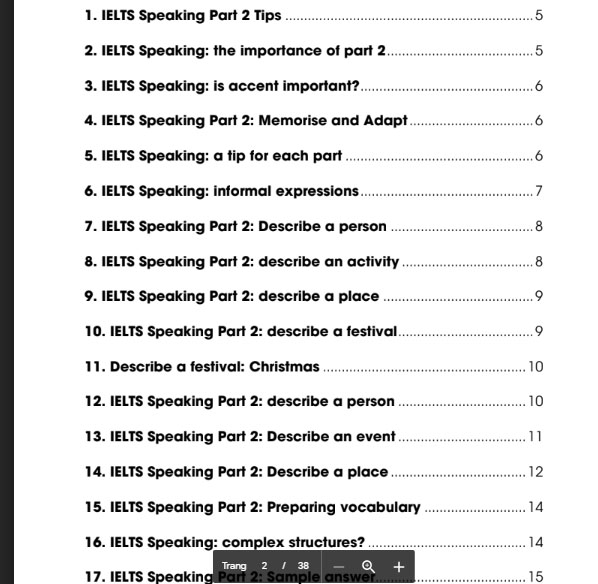
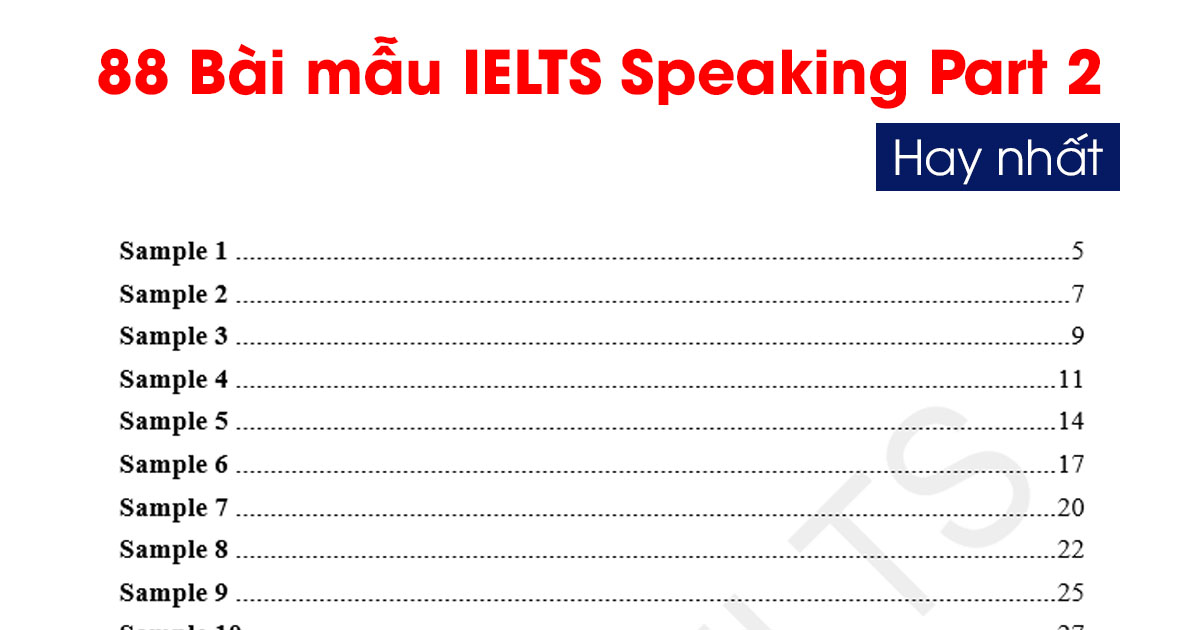
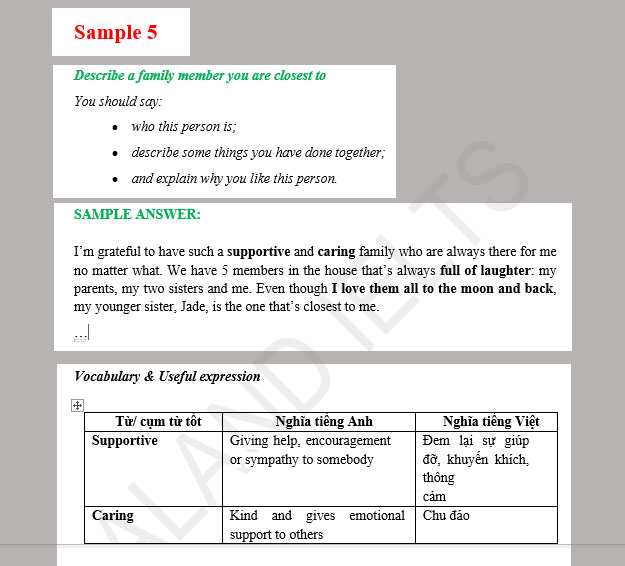
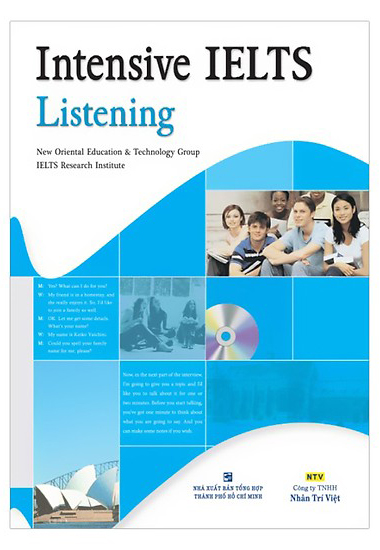
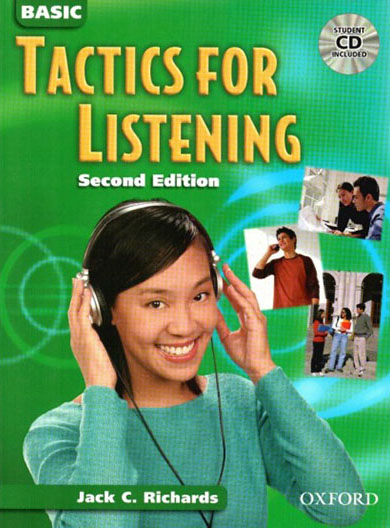
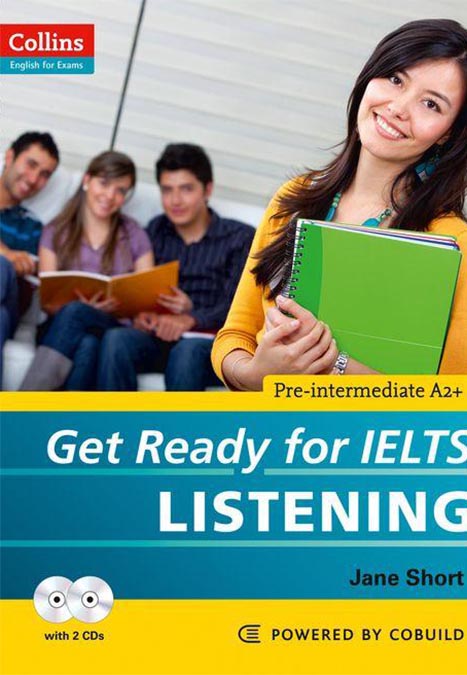
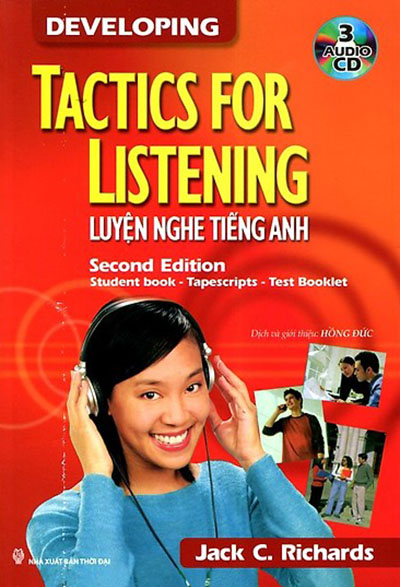
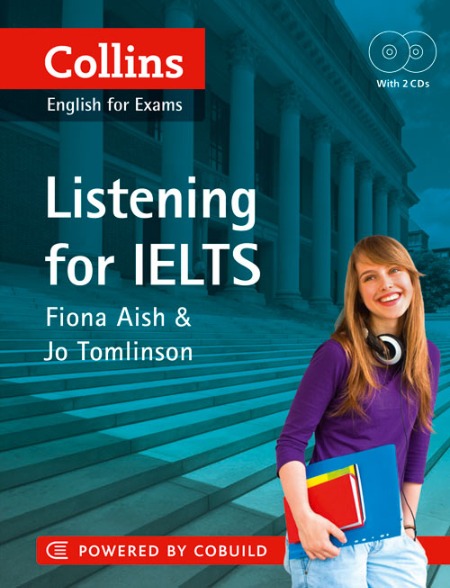
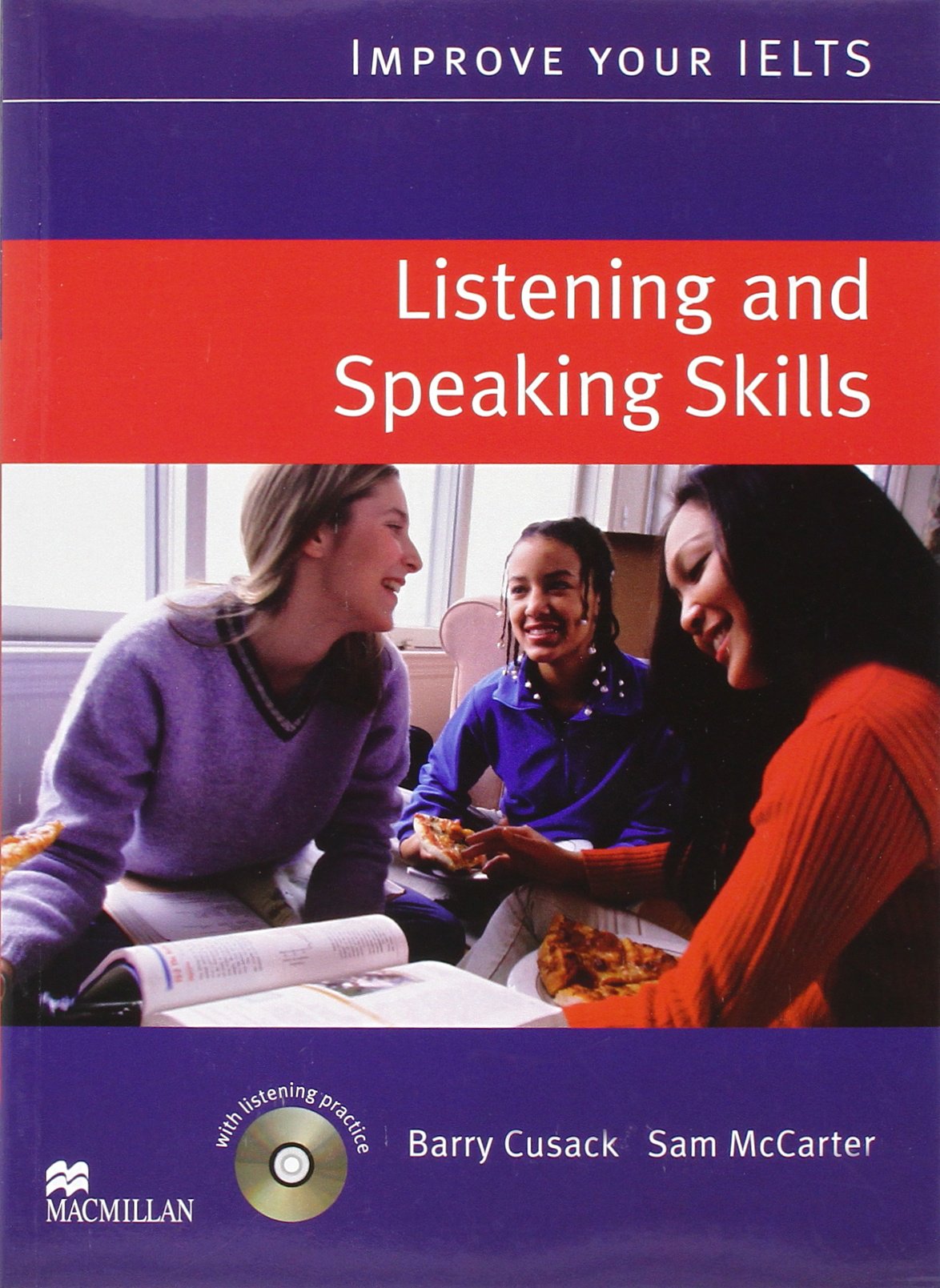
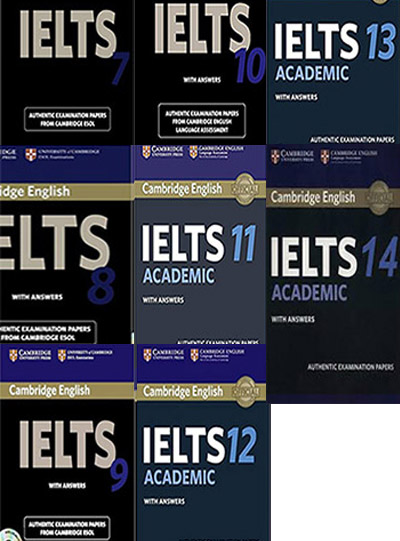
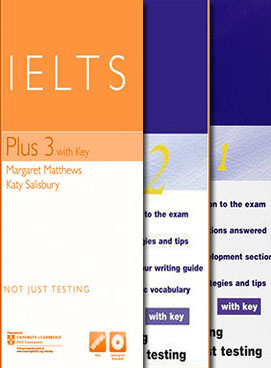
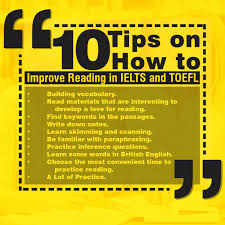
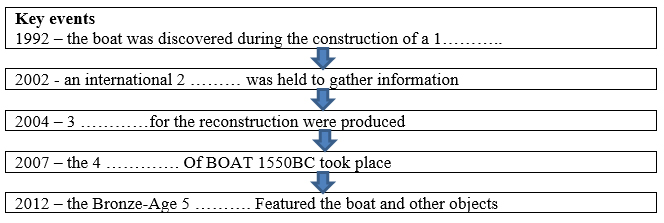
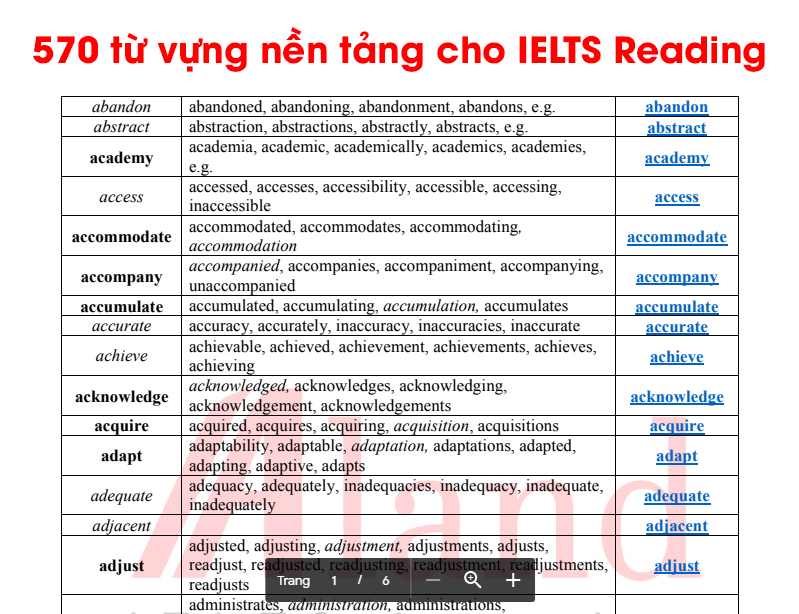

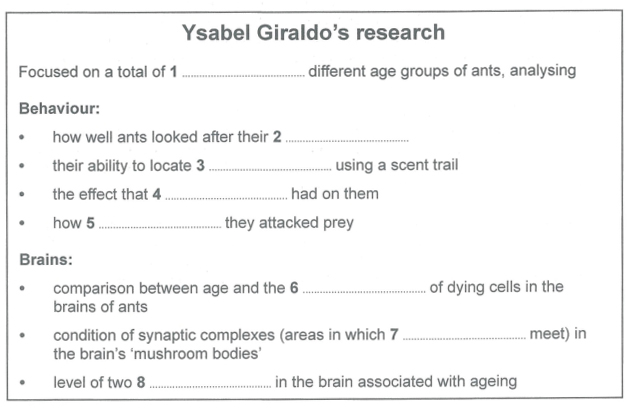
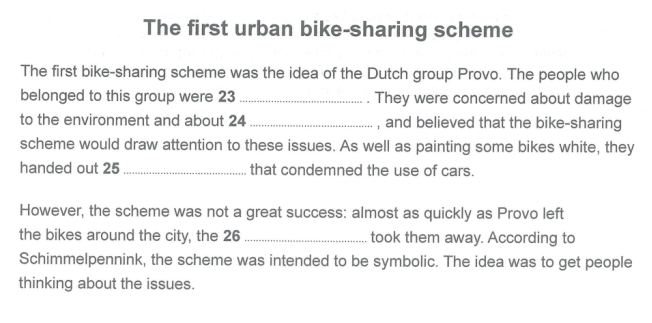

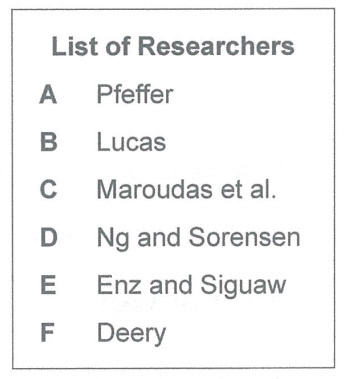
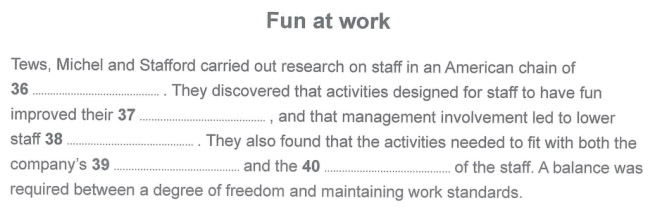


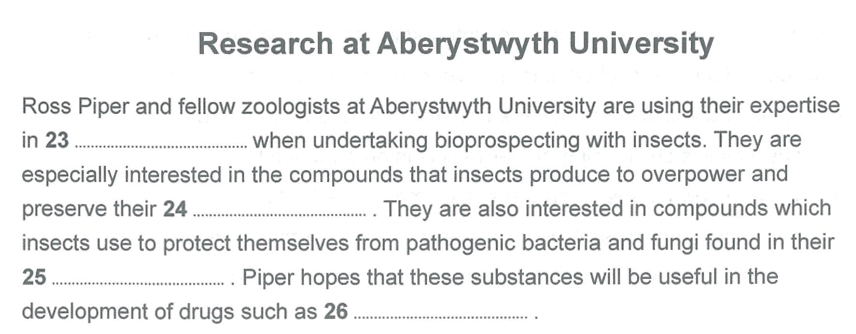

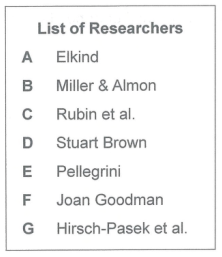
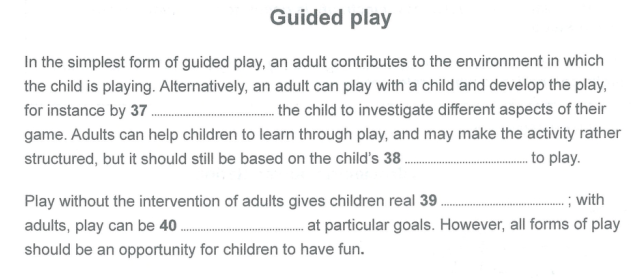
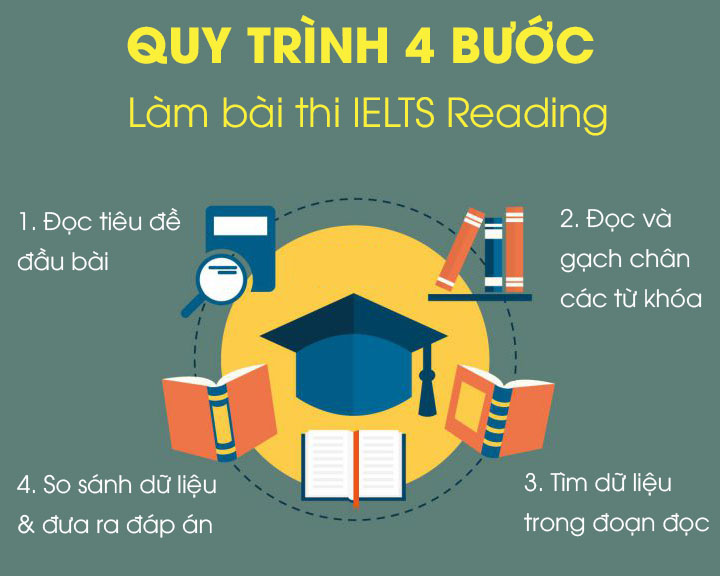
 Site Title